 Image 1 of 1
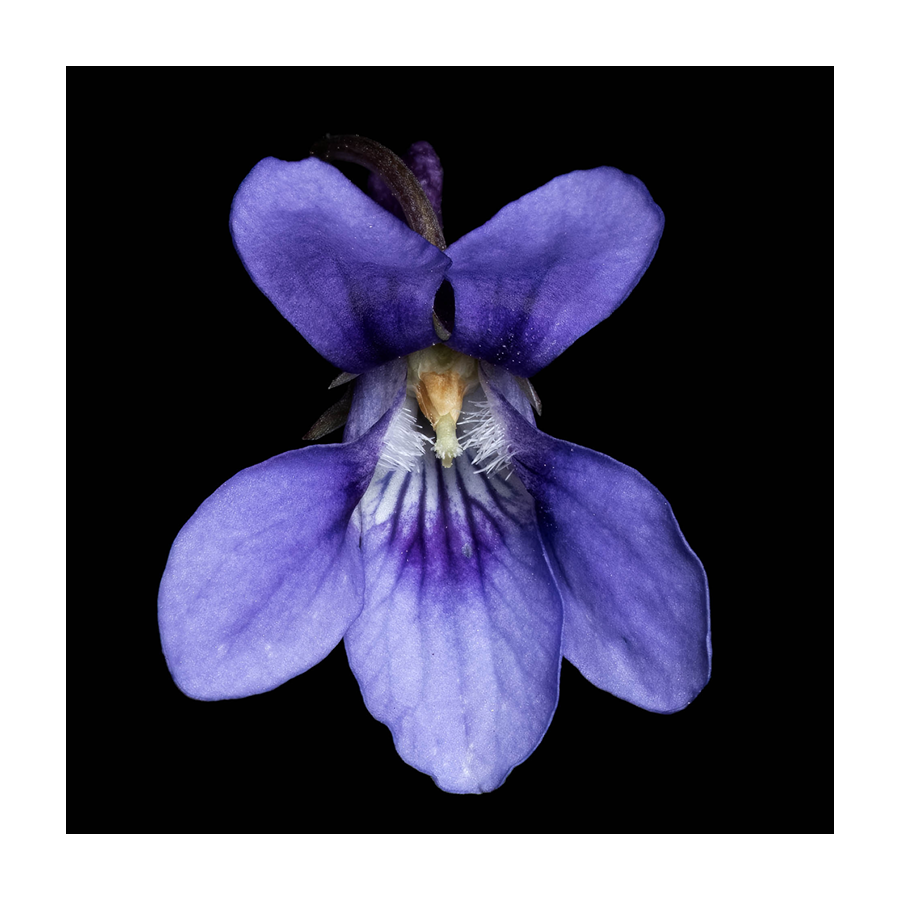
The common dog-violet is Britain's most widespread violet, flowering from April to June on woodland floors, hedgebanks and grassy slopes. Dark lines on its lower petal lead into a pale, hairy throat, guiding bees towards the nectar held in a spur behind the flower. Later in the year, it also produces small flowers that never open and pollinate themselves, a back-up way of setting seed.
When its seed capsules ripen, they split and flick the seeds away. Each seed carries a small oily attachment that ants find irresistible, and they carry the seeds back to their nests, spreading the plant further.
Its leaves are the main foodplant for the caterpillars of several fritillary butterflies, some of them now scarce. Unlike the sweet violet, it has no scent, and the "dog" in its name was an old way of marking a plant as the poorer relative of a more prized one. On former colliery land, it appears along woodland edges and grassy banks as the ground settles and shade returns.