 Image 1 of 2
 Image 2 of 2
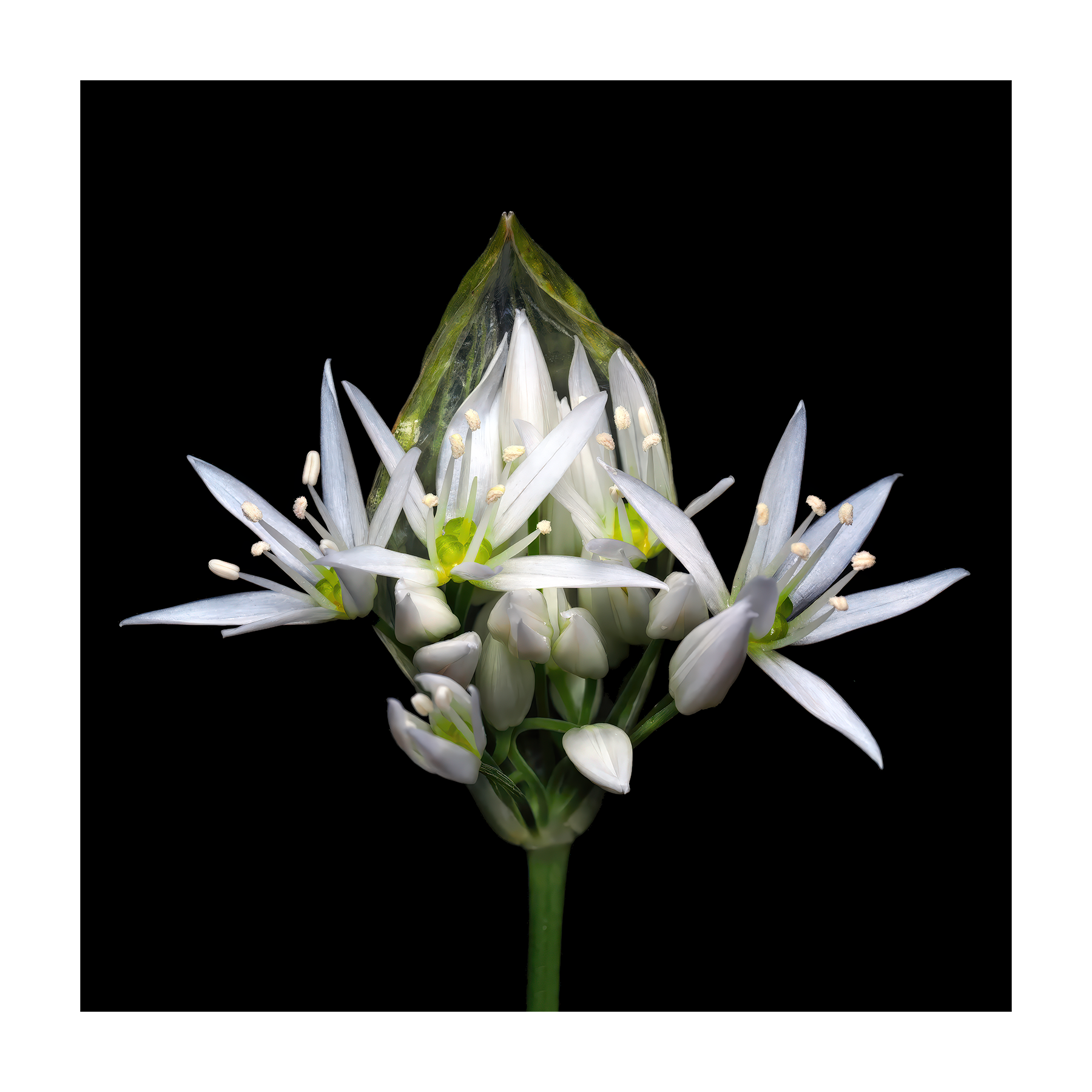
In spring, wild garlic carpets damp, shady ground with broad, pungent leaves and white, star-like flowers, visited by bees, hoverflies and other insects. Long gathered as a spring food and tonic, it is one of Britain's ancient woodland indicators, plants found mainly in woods that have existed for centuries. Its seeds fall close to the parent plant, so it spreads extremely slowly and rarely reaches new woodland on its own.
In County Durham, the place name Ramshaw, near Bishop Auckland, comes from the Old English for wild garlic, hramsa, and in Northumberland it was known as "ramps." In 1597, the herbalist John Gerard recommended its leaves, eaten with butter in spring, for labouring men.
Here, with no old woodland nearby, it was most likely brought in by people. It now offers a glimpse of the ancient woodland floor this young woodland may one day become.