 Image 1 of 1
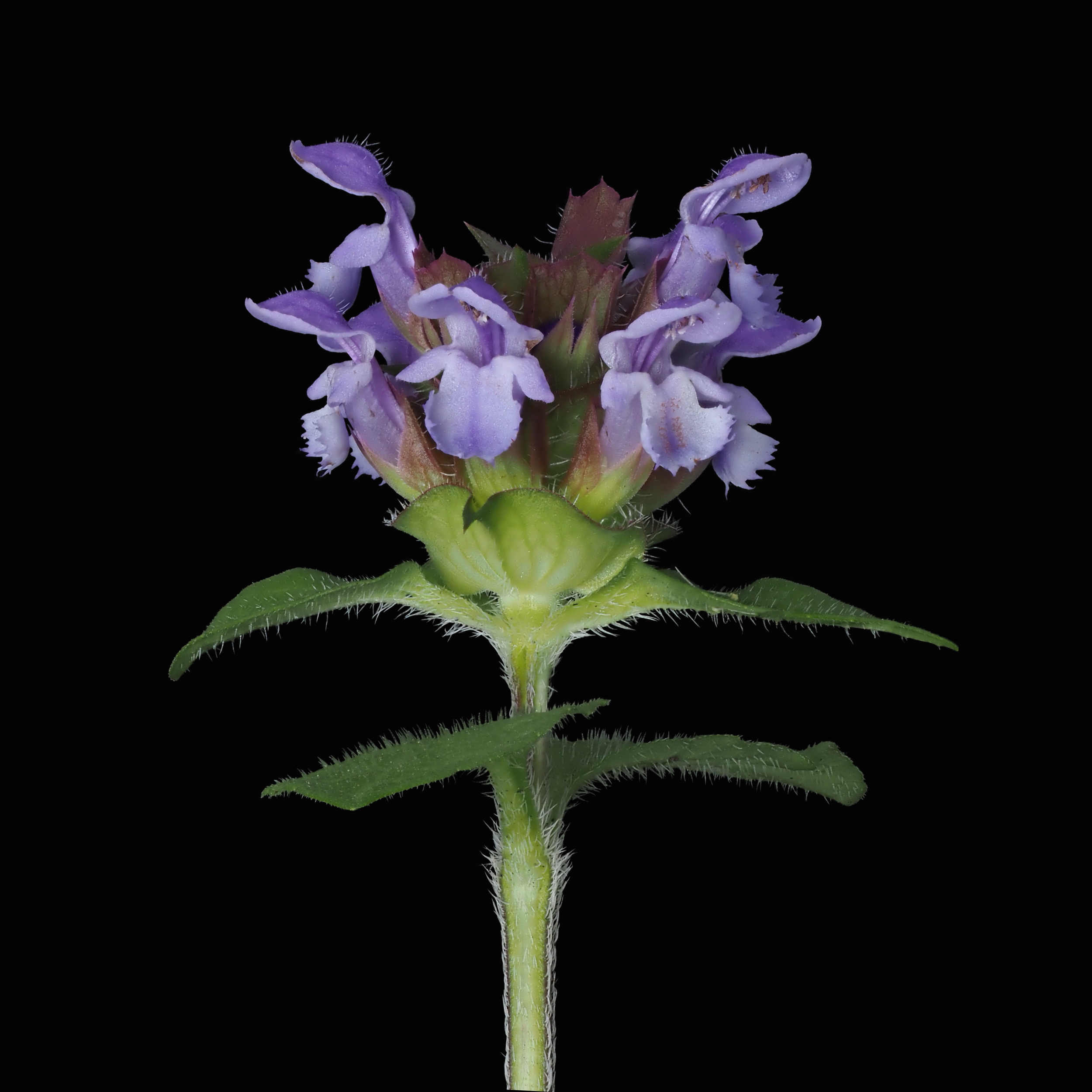
Selfheal is a low-growing native perennial of the mint family, with square, hairy stems and dense heads of violet flowers set among purple-tinged bracts. Each flower is hooded, with a lower lip that makes a landing platform for the bumblebees that visit it. It flowers from June to September, often well into autumn.
It grows in short grassland, lawns, verges and woodland rides, and copes well with mowing and grazing by flowering close to the ground. On former colliery sites, it is common in the grassland that has developed on reclaimed ground, adding late-summer nectar where taller plants are kept in check.
As its name suggests, selfheal was one of the best-known wound herbs in British folk medicine. Its leaves were applied to cuts, especially from tools, earning it the names carpenter's herb and hook-heal, and the herbalist John Gerard wrote that there was no better herb for wounds. Its old genus name, Brunella, is thought to come from a German word for a throat infection, which it was also used to treat.