 Image 1 of 1
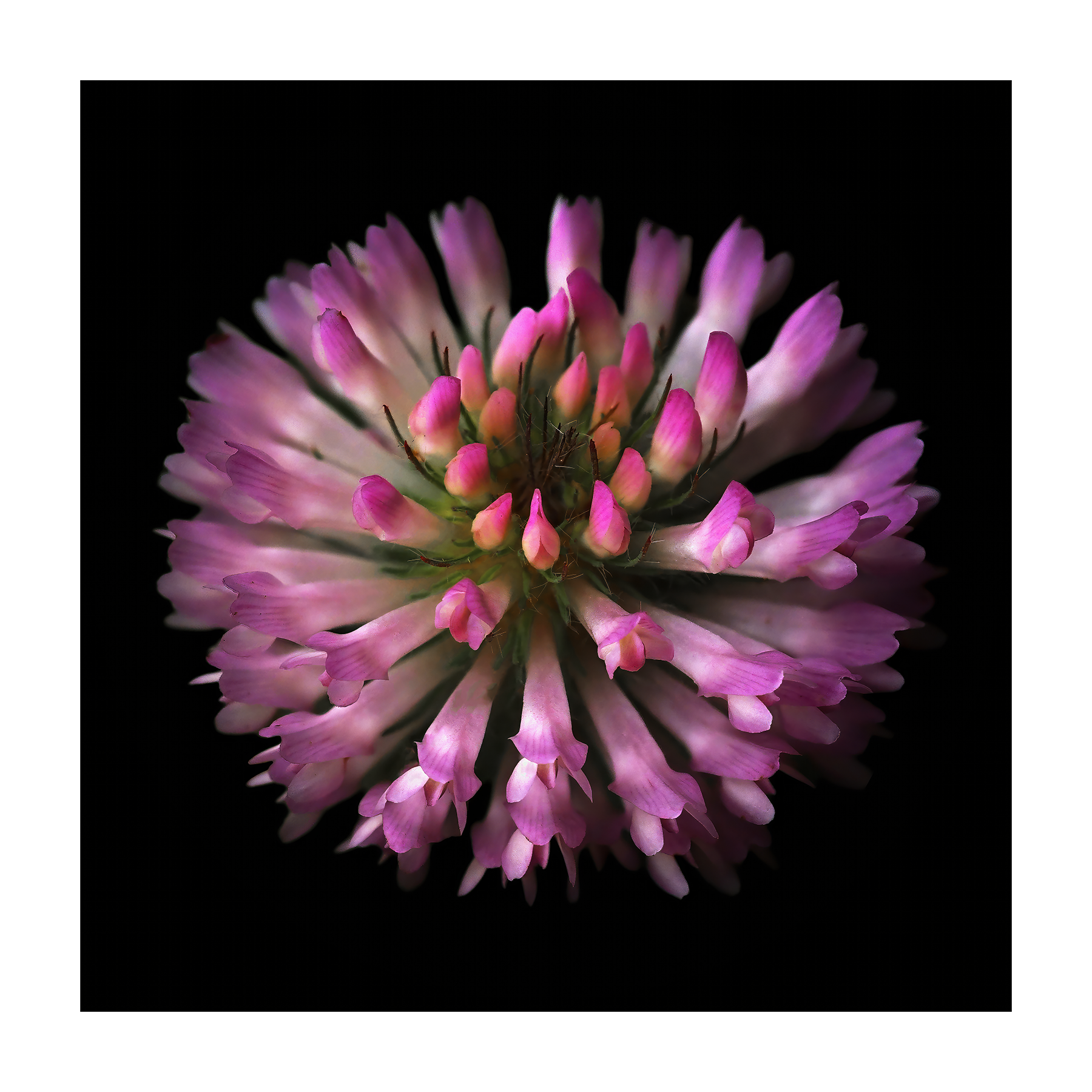
Each rose-pink flower head of red clover is not a single flower but a dense cluster of tiny florets. Their nectar sits at the bottom of long, narrow tubes, so it is best reached by long-tongued bumblebees, such as the common carder bee and garden bumblebee, which depend heavily on it. Red clover flowers from May to September in grassland, verges and field edges.
Like other members of the pea family, red clover forms a partnership with bacteria that live in nodules on its roots. The bacteria take nitrogen from the air and convert it into a form plants can use, enriching the soil. For this reason, clover has long been sown in farm rotations to restore fertility, and it has often been included in seed mixes used to reclaim colliery spoil, where nitrogen is scarce.
Red clover has a long history of human use. It was grown as a fodder crop for livestock, and in herbal tradition its dried flowers were used in remedies for coughs. Generations of children pulled out the florets to suck the sweet nectar from their bases.
Where miners once took wealth from deep underground, red clover builds it back at the surface, drawing nitrogen from the air into the soil.