 Image 1 of 1
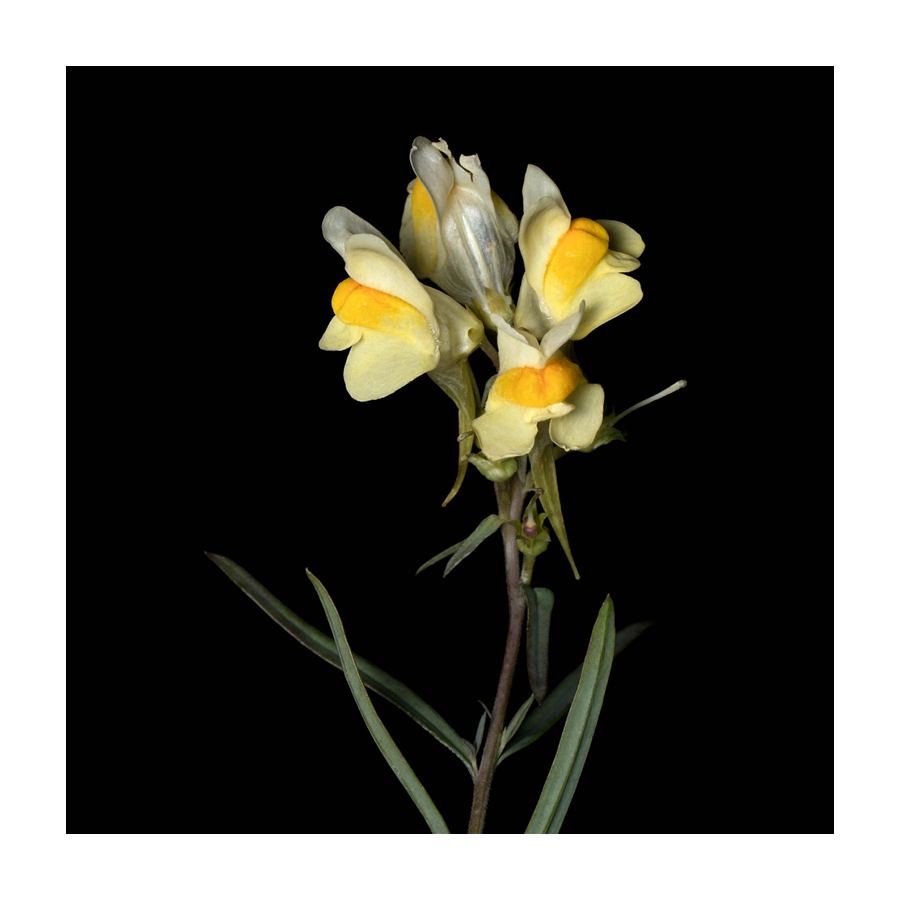
From July to October, common toadflax carries spikes of pale yellow, snapdragon-like flowers, each with a bright orange bulge on its lower lip. That mix of colours gives it the folk name "butter and eggs." Its narrow, grey-green leaves resemble those of flax, which accounts for the second half of its name.
The flowers are built for strong insects. The orange bulge seals the mouth of the flower shut, and only heavier bees, mainly bumblebees, can push it open to reach the nectar held in a long spur behind. Smaller insects sometimes cheat, biting a hole in the spur to steal the nectar without pollinating the flower.
Toadflax spreads by creeping roots as well as by seed, and thrives on dry, disturbed and stony ground, including railway banks, waste ground and old spoil. On former colliery land, it is often one of the brightest flowers on the barest, driest patches, where few other plants can compete.