 Image 1 of 1
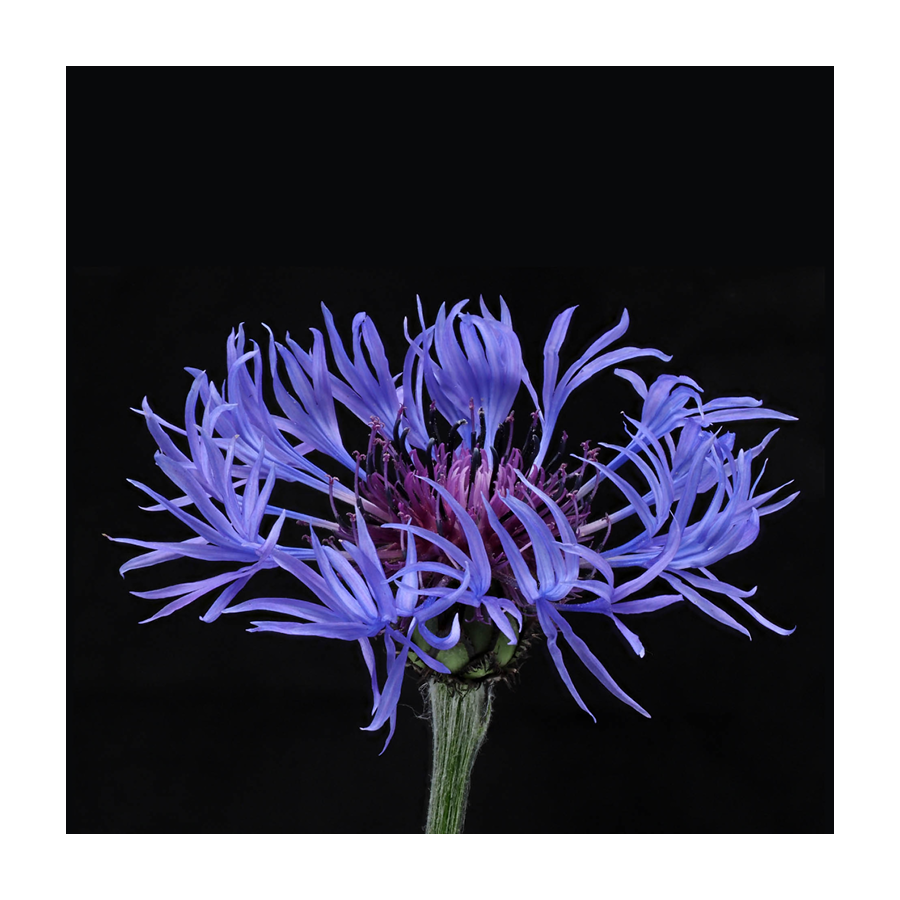
The cornflower takes its name from the cornfields where it once grew, "corn" being the old word for cereal crops. Introduced to Britain in the Iron Age, it spread with grain and became a common weed of arable fields. Its vivid blue flowers produce nectar rich in sugar, visited by bees and other insects, and goldfinches feed on its seeds.
It is also known as bachelor's buttons, from its use as a buttonhole flower, and in France the cornflower, or bleuet, is the symbol of remembrance for those who served in war, just as the poppy is in Britain.
In the 20th century, cleaner crop seed and the spread of herbicides almost wiped out cornflowers from farmland, and genuinely wild arable populations are now rare. Since the 1980s, though, the cornflower has returned through wildflower seed mixes. Many of the cornflowers seen today, including on former colliery land, come from sowing rather than surviving wild populations. Each brief summer of blue now brings colour and nectar to the reserve's meadows.