 Image 1 of 1
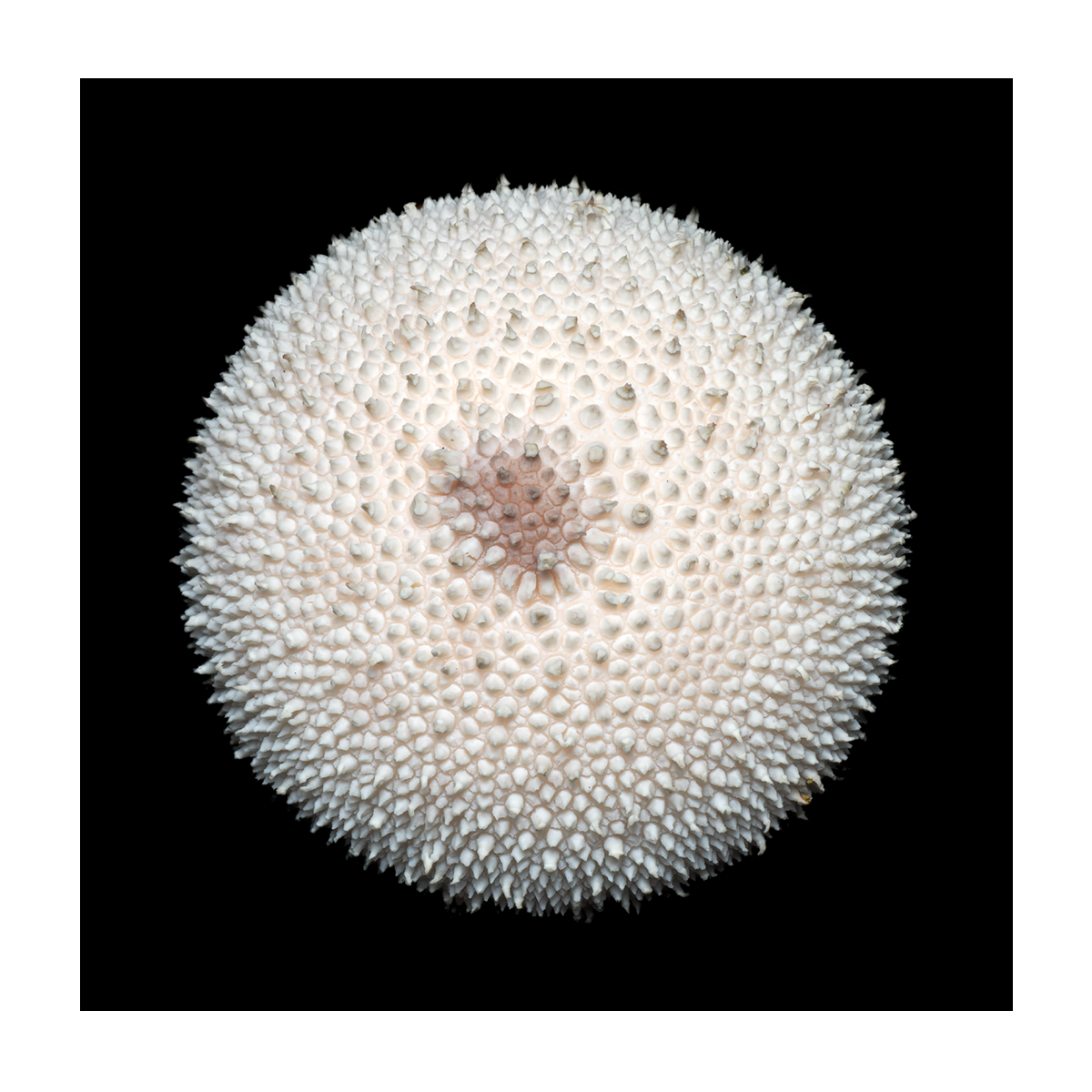
This pear-shaped fungus is white when young and covered in tiny cone-shaped spines, like scattered pearls, which rub off to leave a net-like pattern. As it matures, it turns brown, its insides become a mass of powdery spores, and a small hole opens at the top. When a raindrop or a passing foot strikes it, a puff of spores bursts out into the air. It feeds on decaying leaf litter and wood, recycling the nutrients locked inside them.
It has collected some memorable names, including devil’s snuffbox and blindman’s bellows. Its genus name, Lycoperdon, comes from the Greek for “wolf” and “to break wind,” a nod to its puffs of spores.
Coal formed where ancient plants were buried before they could decay, locking their carbon away for millions of years. The puffball is part of the opposite process: by breaking down dead plant material, it returns carbon to the air and nutrients to the soil, keeping the cycle turning.