 Image 1 of 1
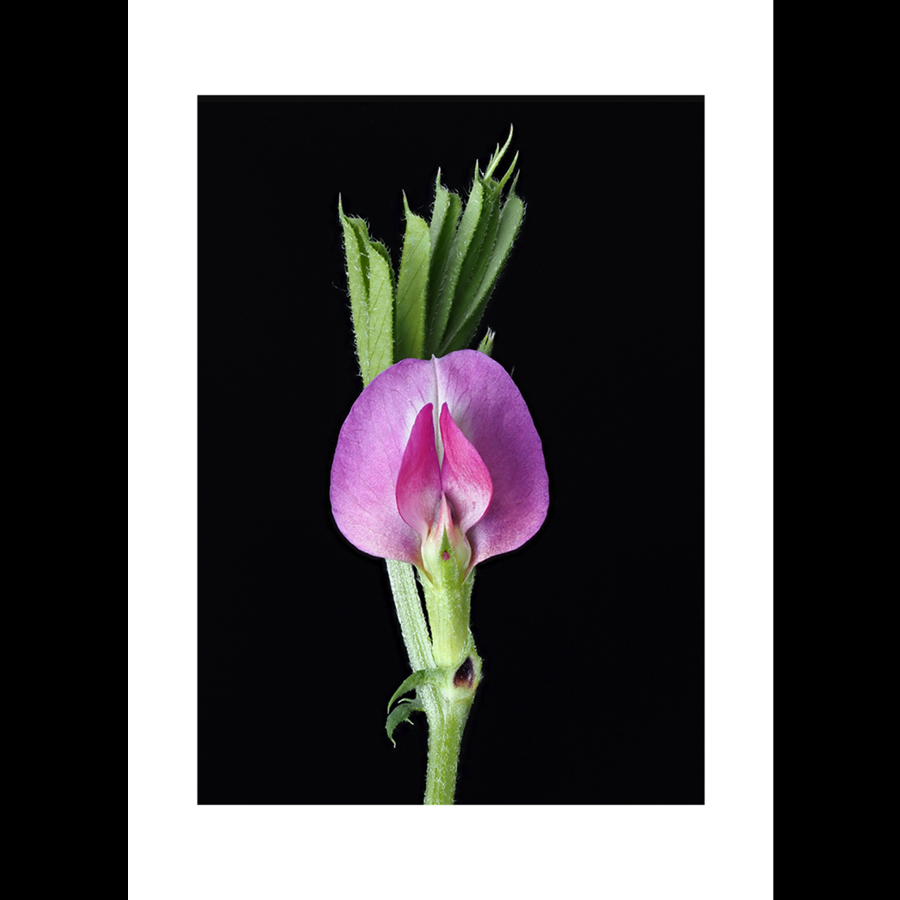
Common vetch is a scrambling annual of the pea family, climbing through grasses with tendrils at the tips of its leaves. From spring to late summer, it bears pink-purple pea flowers, singly or in pairs, in the joints of its leaves, visited by bumblebees and other insects. Look closely at the base of each leaf stalk and you may see a small dark spot. This is a nectar gland outside the flower, which attracts ants, and the ants may in turn help protect the plant from grazing insects.
Like clover and bird's-foot trefoil, it hosts bacteria in its root nodules that fix nitrogen from the air. It grows readily in rough grassland, verges and disturbed ground, including the grassland that has developed on reclaimed colliery land.
Its species name, sativa, means "cultivated." Vetch has been grown since Roman times as fodder for livestock and to improve the soil, and its seeds turn up at archaeological sites across Europe. Some of the vetch growing wild today descends from those old crops.