 Image 1 of 1
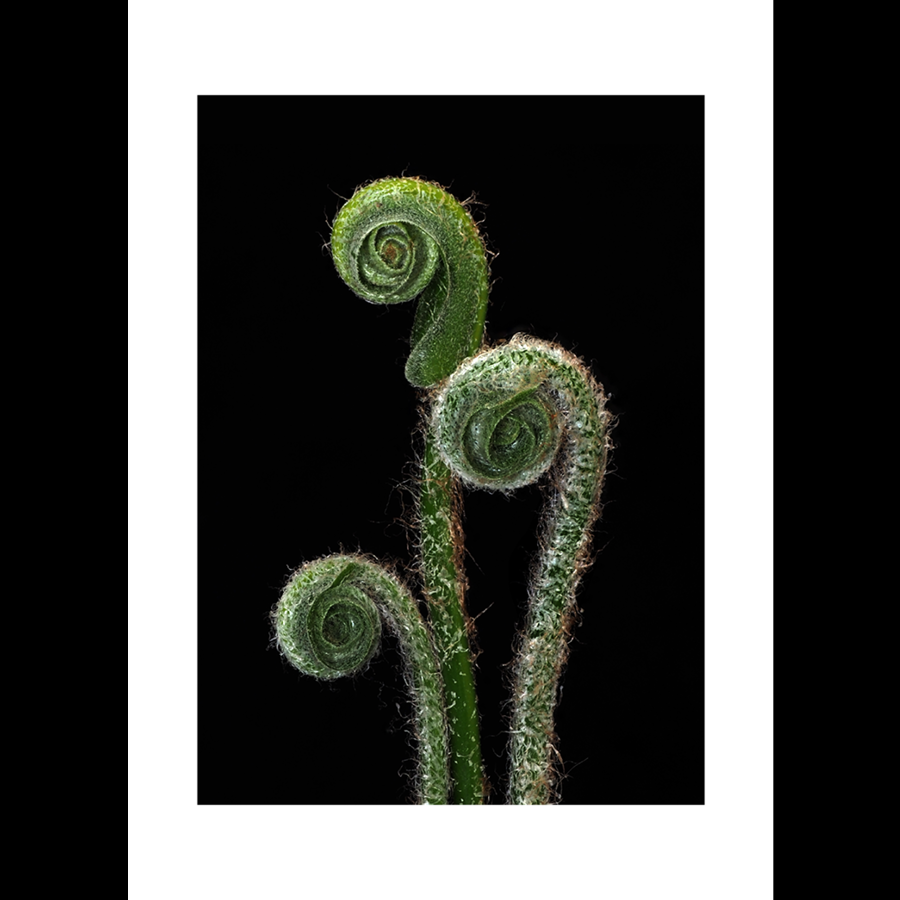
In spring, young fern fronds emerge tightly coiled, protected by a coat of fine scales and hairs. Known as croziers, after the curled staff carried by a bishop, or fiddleheads, after the scroll of a violin, they unroll slowly from the base upwards as the cells on their inner side grow faster than those on the outside, until the frond is fully open.
Ferns are among the oldest plants on Earth. They have no flowers or seeds, and reproduce instead by tiny spores carried on the underside of their fronds. Because no one could find their seeds, people once believed fern seed was invisible and could make its owner invisible too, an idea Shakespeare used in Henry IV: “we have the receipt of fern-seed, we walk invisible.”
On former colliery land, most ferns arrive once young woodland has created the shade and damp they need, so their appearance is a sign that these sites are maturing. Their fronds, in turn, offer shelter to small invertebrates and keep the ground beneath them cool and moist.
Ferns also connect directly to the coal beneath these sites. Around 300 million years ago, vast swamp forests of giant clubmosses, horsetails and ferns grew where the North East now lies, and their buried remains became the coal seams that were later mined. Today, ferns unfurl once again on the same ground, living relatives of the forests that made the coal.