 Image 1 of 1
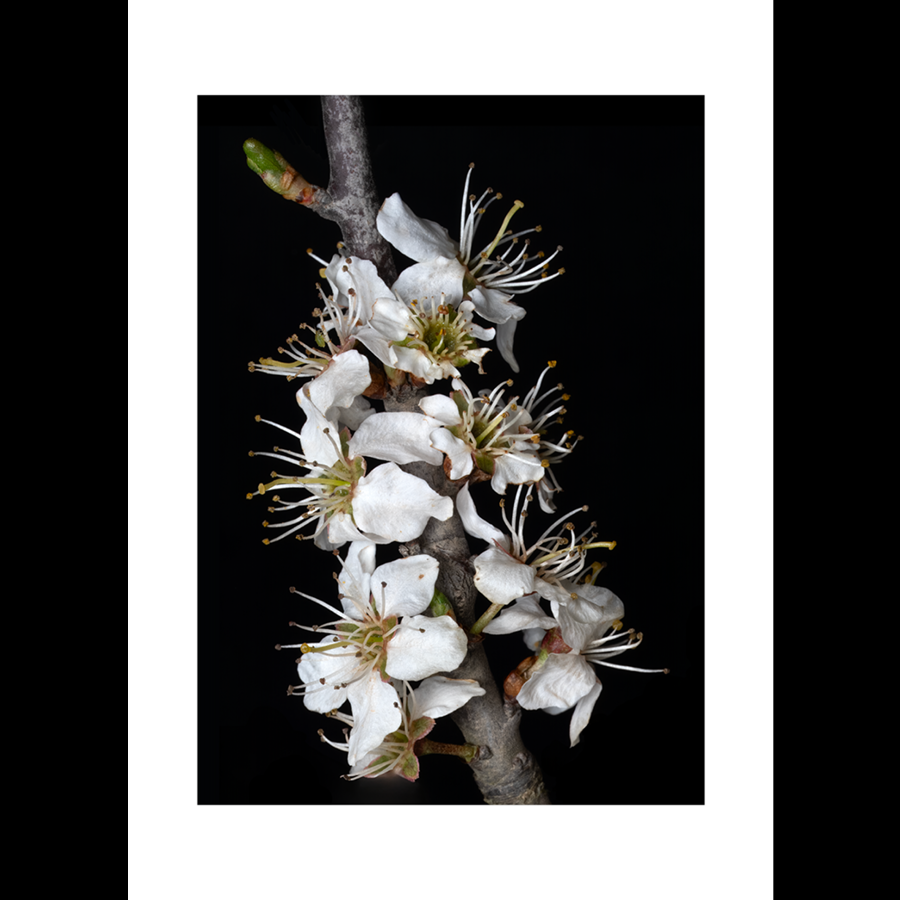
Blackthorn is one of the first shrubs to flower each year, covering its dark, bare twigs in white blossom in March and April, before its leaves appear. A cold snap at this time is still known as a "blackthorn winter." Its early flowers give much-needed nectar and pollen to queen bumblebees, solitary bees and other early insects.
Blackthorn spreads by suckers from its roots, forming dense, thorny thickets that give birds safe places to nest. Its leaves feed the caterpillars of many moths, as well as the brown hairstreak butterfly. In autumn, its fruits, the dusty blue-black sloes, feed thrushes and other birds through the winter.
Its dark wood and fierce thorns gave blackthorn a sinister reputation in folklore, and it was once widely associated with witchcraft and bad luck. Sloes are famously steeped in gin to make sloe gin, and the tough, knotty wood has long been used for walking sticks. On former colliery land, blackthorn is often planted in new hedges, where its spreading thickets soon grow into shelter and food for wildlife.