Renewal
On land once heaped with spoil, wildflowers, grasses and trees are returning. Many arrive on their own, carried by wind, water, birds and insects; others were planted as these sites were restored. Together they are building something new.
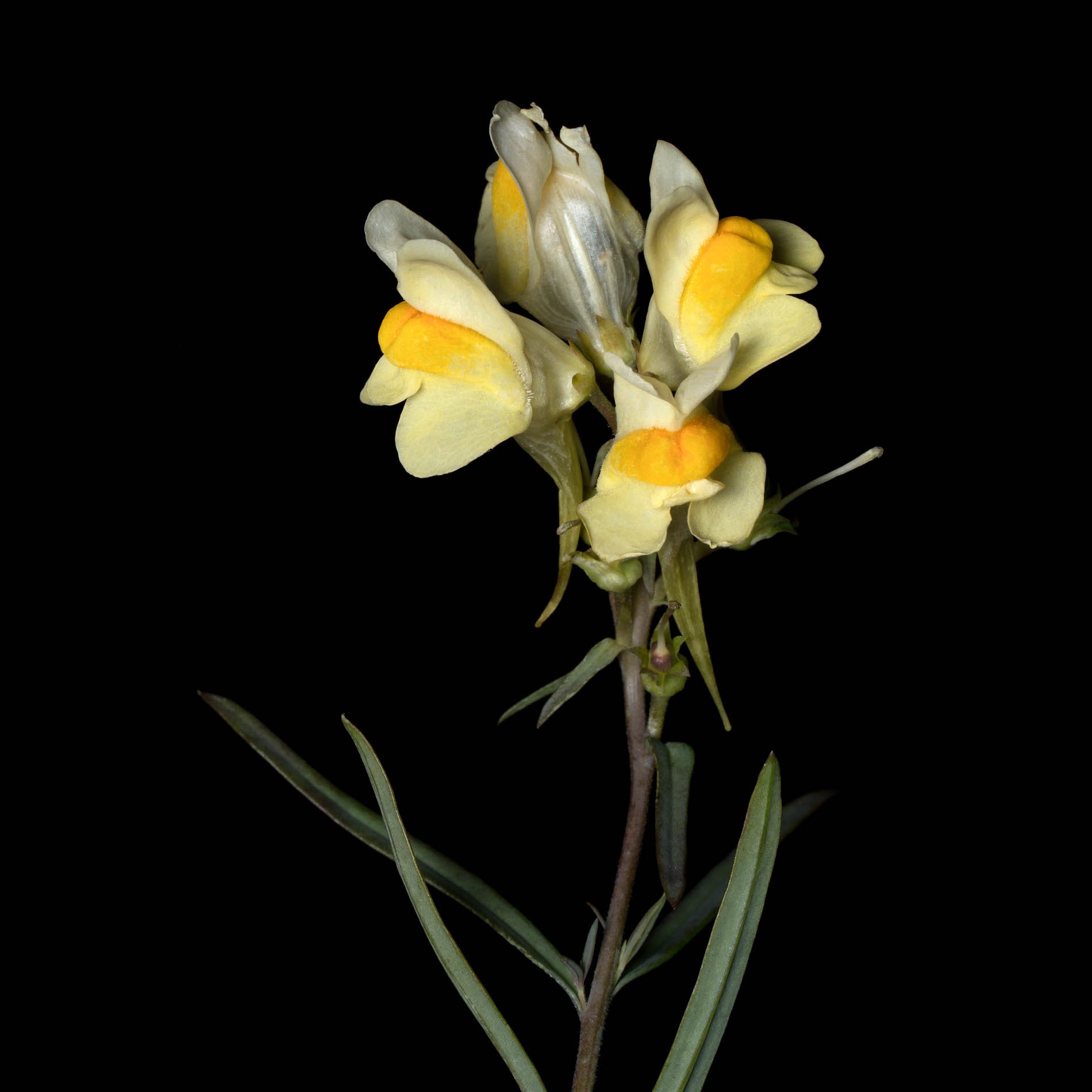
The thin, nutrient-poor ground left by mining is part of their success. Where soils are too poor for coarse grasses to dominate, wildflowers can flourish, and some former industrial sites are now richer in wildflowers than nearby farmland. Gorse blazes gold across old spoil, bird’s-foot trefoil spreads its yellow pea flowers over dry ground, and toadflax finds footholds among the stones. Orchids such as the common spotted orchid appear in surprising numbers, their dust-like seeds able to germinate only with the help of soil fungi.
Each plant is part of a web of relationships. Bumblebees push open toadflax flowers to reach their nectar, hoverflies feed across the flat heads of wild carrot, and in the North East the scarce dingy skipper butterfly depends on bird’s-foot trefoil growing among bare ground. Seen through the macro lens, these connections become visible: the pollen-laden anthers of a grass in flower, the hidden nectar guides of a horse chestnut blossom, the dark spot on a vetch’s stem that draws ants to defend it.
The seeds in this series carry the future. Acorns, buried and forgotten by jays, may become oaks that stand for centuries. The hooked fruits of wood avens catch on fur and clothing; the winged seeds of maples spin away on the wind. Each holds the start of the landscape to come.
As woodland develops, the plants change too. Red campion brightens shady edges, dog-violets and stitchwort appear along hedgebanks, and wild garlic spreads through damp hollows.
What grows here is not a copy of what came before mining, but a new community shaped by the land’s industrial past. This is renewal not as restoration but as emergence: life finding new ways to flourish in changed ground. In these flowers, grasses and seeds, the future is taking root in the soil of the past.
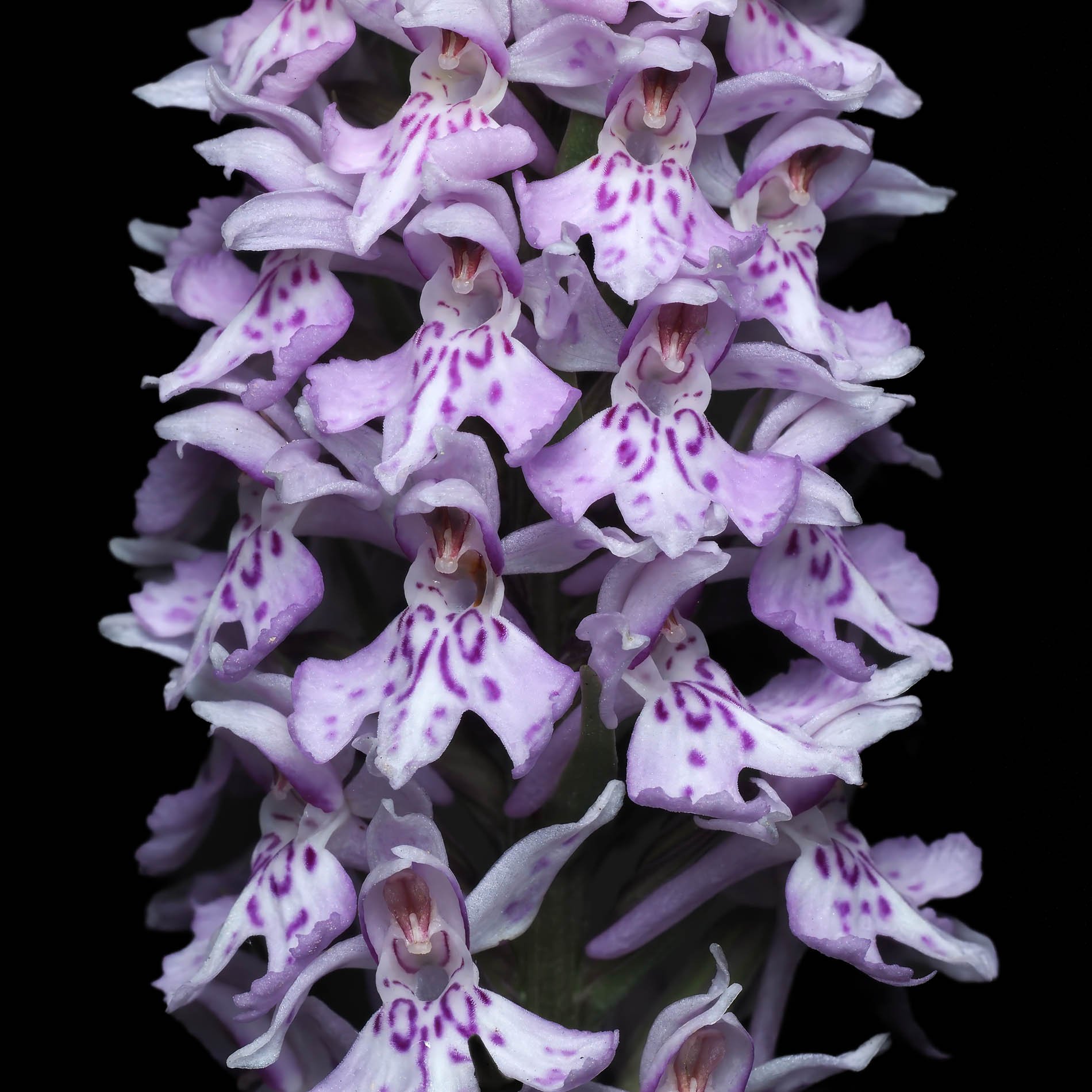
Common Spotted Orchid (Dactylorhiza fuchsii) This orchid's pink to pale lilac flower spikes, marked with darker spots and loops, appear from June to July above leaves usually blotched with dark spots. Its flowers attract bees, flies and other insects, though they offer no nectar. Its genus name, Dactylorhiza, means "finger root," from its tubers, which are divided like fingers. Like all orchids, it depends on fungi. Its dust-like seeds carry almost no food, so they can only germinate with the help of a soil fungus, which feeds the seedling underground for its first years. Carried far on the wind, the seeds readily reach former colliery sites, where thin, low-nutrient soils keep coarse grasses in check. Disturbed industrial ground can suit it better than fertile farmland, and old spoil can hold large numbers. Above the old mine workings, its flowers depend on an unseen network of fungal threads running through the ground.
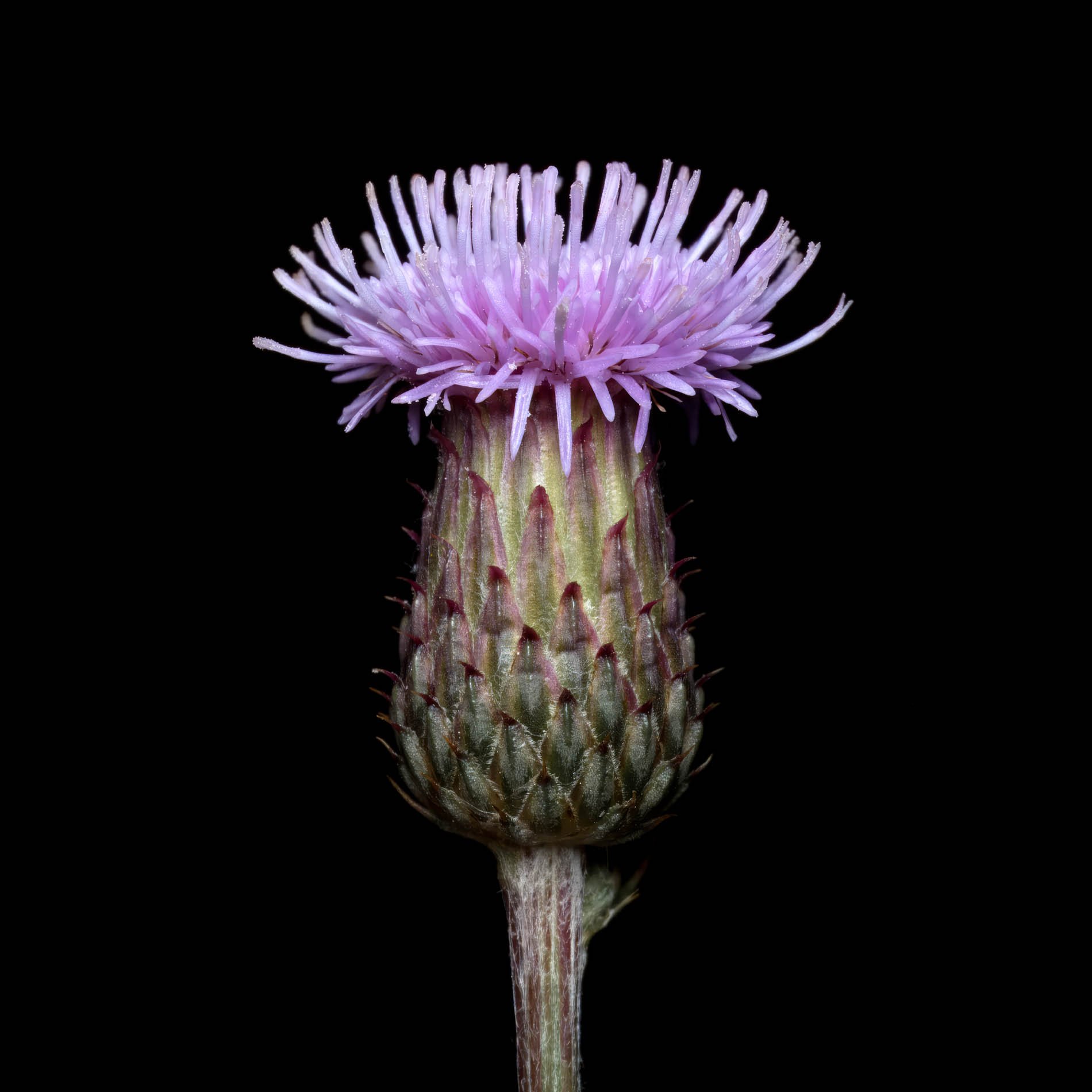
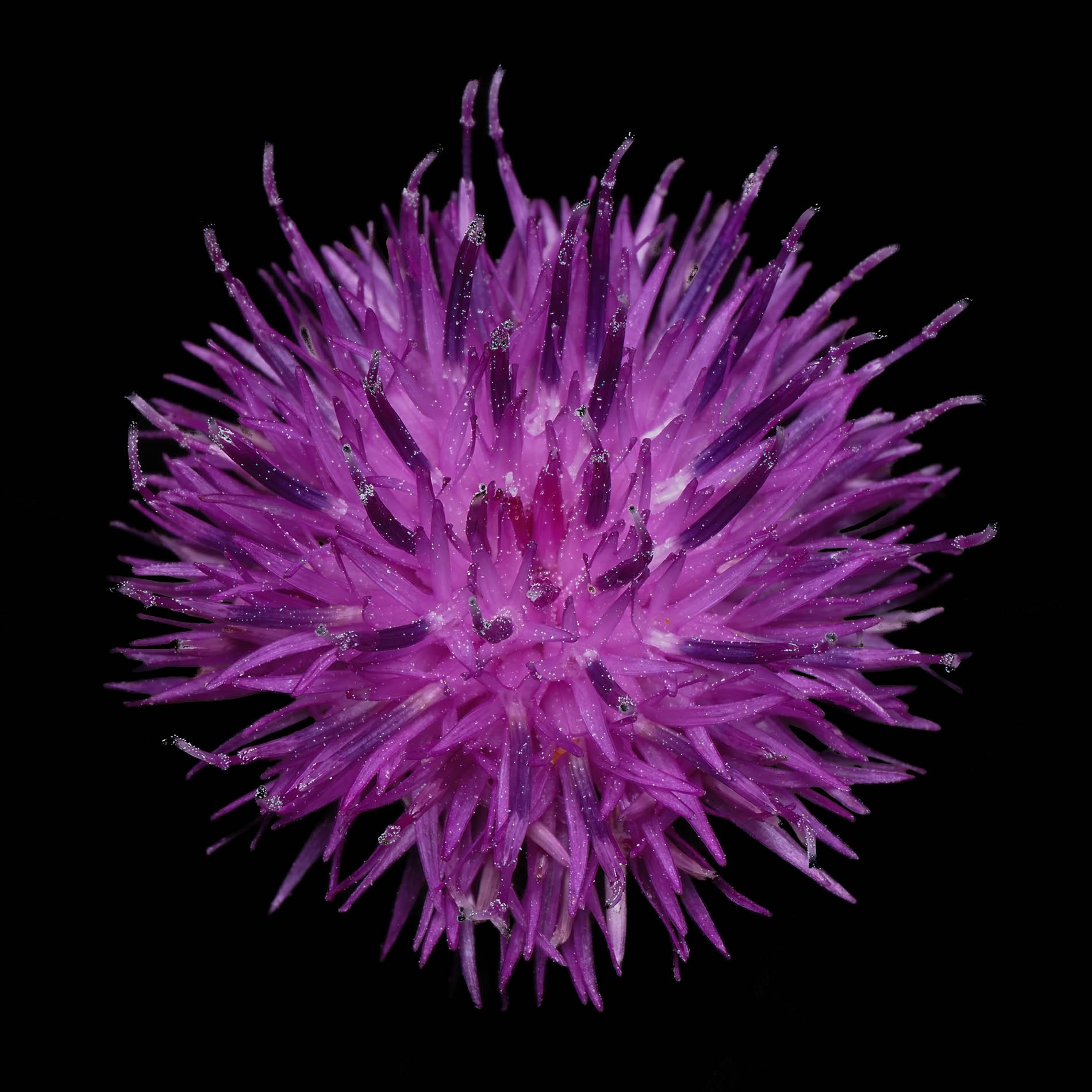
Creeping Thistle (Cirsium arvense) Often dismissed as a troublesome weed, creeping thistle is a native perennial of disturbed ground, spreading mainly through deep, creeping roots that can form large patches. On farmland it is unwelcome, and it is listed under the Weeds Act 1959, but on nature reserves its value to wildlife is clearer. From July to September, its purple flowers are an excellent source of nectar for bees, butterflies and hoverflies, and its seeds feed goldfinches and other finches in late summer and autumn. The goldfinch's old scientific name, Carduelis, comes from the Latin word for thistle. Its leaves are also a foodplant for the caterpillars of the painted lady butterfly. On former colliery land, it is often managed so it does not dominate grassland, but where it grows, it supports a surprising amount of life.
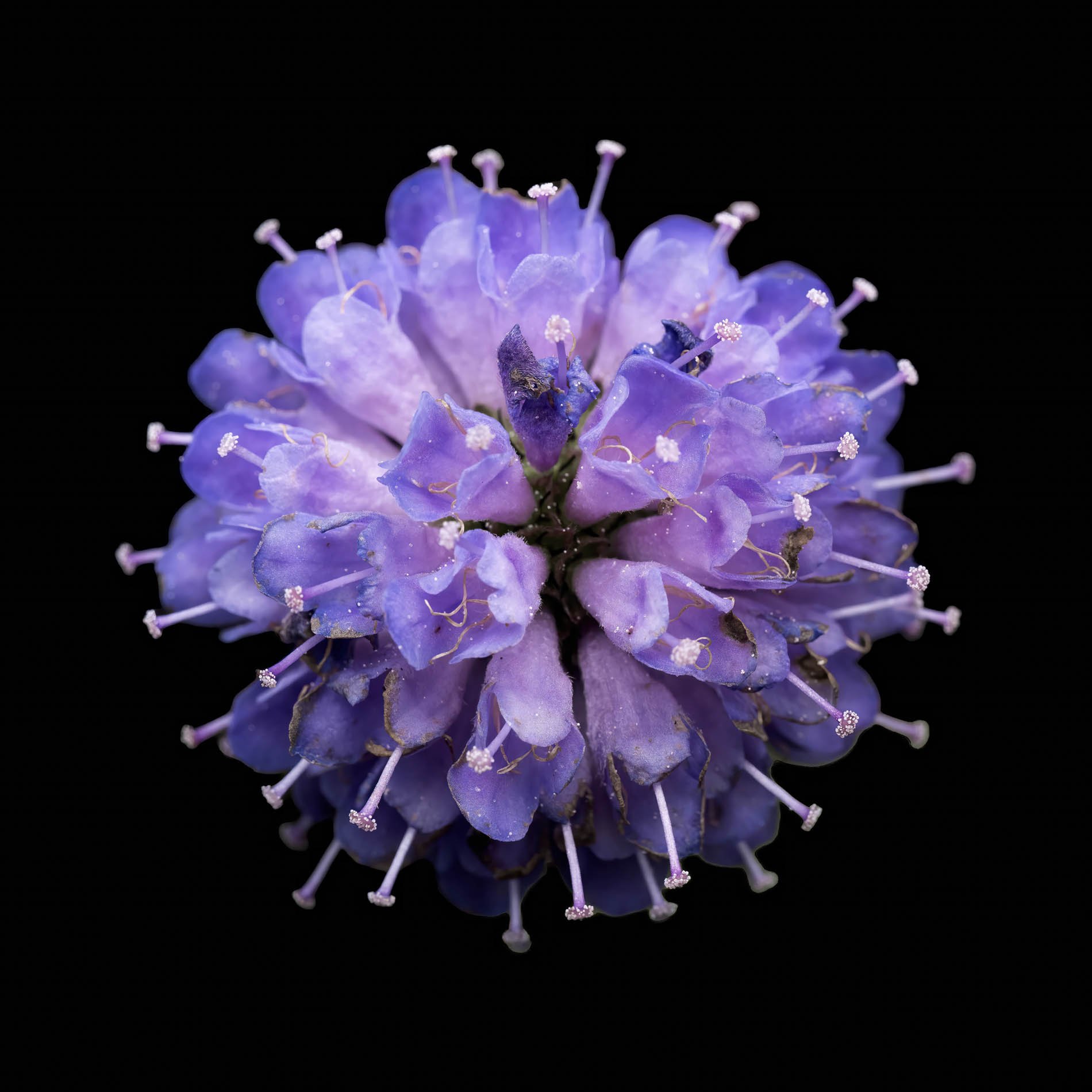
Devil's-bit Scabious (Succisa pratensis) From late summer into autumn, devil's-bit scabious holds up rounded, button-like heads of blue-violet flowers on tall, slender stems. Each head is made of dozens of tiny florets, and the long stamens tipped with pale anthers give it a pincushion look. Flowering late in the year, it is an important source of nectar for bumblebees, hoverflies and butterflies as summer fades. It grows in damp meadows, marshy ground, heaths and woodland rides, usually where the soil is not too rich. It is the main foodplant of the marsh fritillary, one of Britain's most threatened butterflies, whose caterpillars spin silk webs over its leaves. Its name comes from its short root, which ends abruptly as if bitten off. Legend says the devil bit it off in spite, angry at the good the plant did as a medicine. Its scientific name, Succisa, means "cut off," for the same reason, while "scabious" comes from its old use in treating scabies and other skin complaints. On damper reclaimed ground, its late flowers bring a last flush of colour to the grassland before winter.
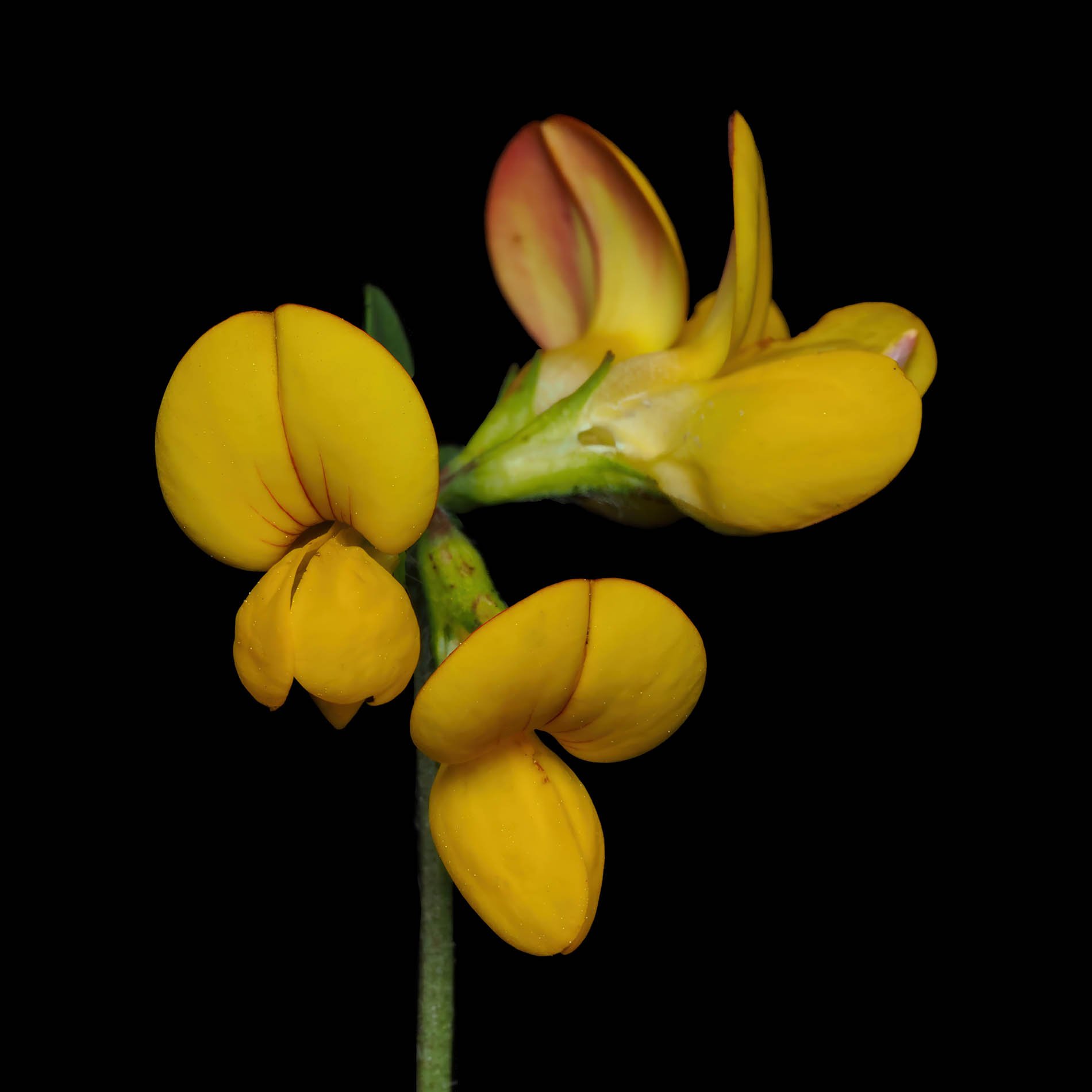
Bird's-foot Trefoil (Lotus corniculatus) This low, sprawling native perennial produces small clusters of yellow, pea-like flowers from May to September, often streaked with orange or red, especially in bud. That mix of colours gives it its best-known folk name, "eggs and bacon," one of dozens of local names. Its main name comes from its seed pods, which spread out from the stem like the toes of a bird's foot. Like clover, it belongs to the pea family and hosts bacteria in its root nodules that fix nitrogen from the air. It thrives on thin, dry, low-nutrient ground where taller plants struggle, so it readily colonises old spoil and other brownfield land, adding small amounts of nitrogen as it grows. It is a key foodplant for caterpillars, including those of the common blue butterfly and the six-spot burnet moth. In North East England, it also supports the dingy skipper, a scarce butterfly closely associated with brownfield and former industrial land, where patches of bird's-foot trefoil grow among bare ground. On former colliery sites, this small yellow flower can sustain wildlife that is now rare elsewhere.
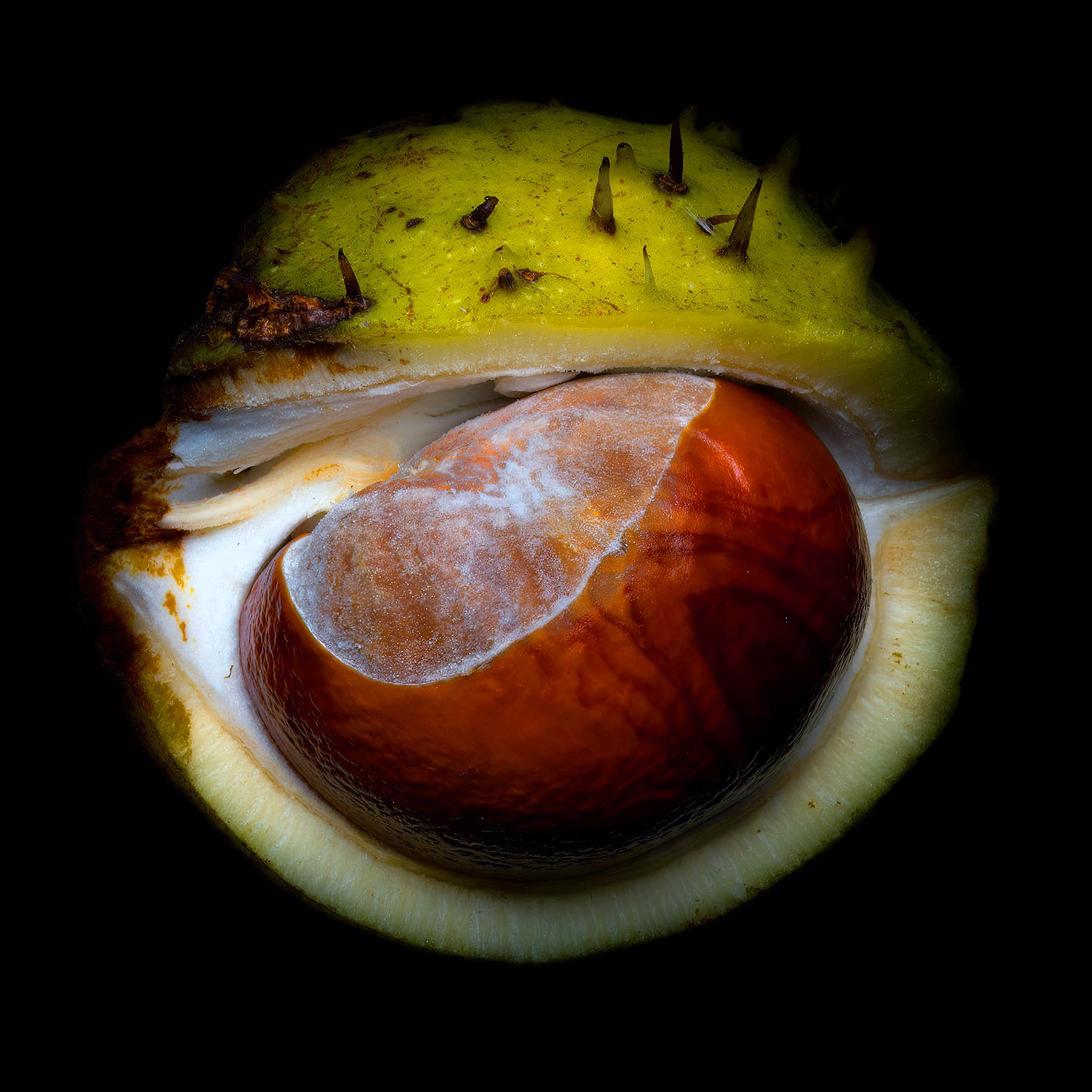
Horse Chestnut Seed (Aesculus hippocastanum) Protected through the summer by its spiny green case, the horse chestnut's seed ripens out of sight. In autumn the case splits open to release one or two glossy brown conkers, each with a pale patch where it was attached inside. The horse chestnut is not native to Britain: it was brought from the Balkans around 400 years ago and widely planted in parks, on village greens and along streets, including in many mining towns and villages, where trees have stood through generations of change. Conkers are poisonous to people and many animals, though deer and some other mammals eat them. In recent decades, many trees have been weakened by a leaf-mining moth, which arrived in Britain in 2002 and turns the leaves brown long before autumn, and by a disease called bleeding canker. Conkers are woven into childhood memories across Britain. The first recorded game of conkers was played on the Isle of Wight in 1848. In the autumn of 1917, schoolchildren and Scouts were asked to collect conkers for the war effort. They were used as a source of starch to make acetone, needed for the explosive cordite, and children were paid for every hundredweight they gathered. The conker's year is one of protection and release: sheltered by spines while it grows, then exposed as it falls, vulnerable to frost, animals and passing feet before it can take root. It is a pattern repeated across these post-industrial landscapes, where new life is sheltered until it emerges, and change becomes visible to those who pause to notice.
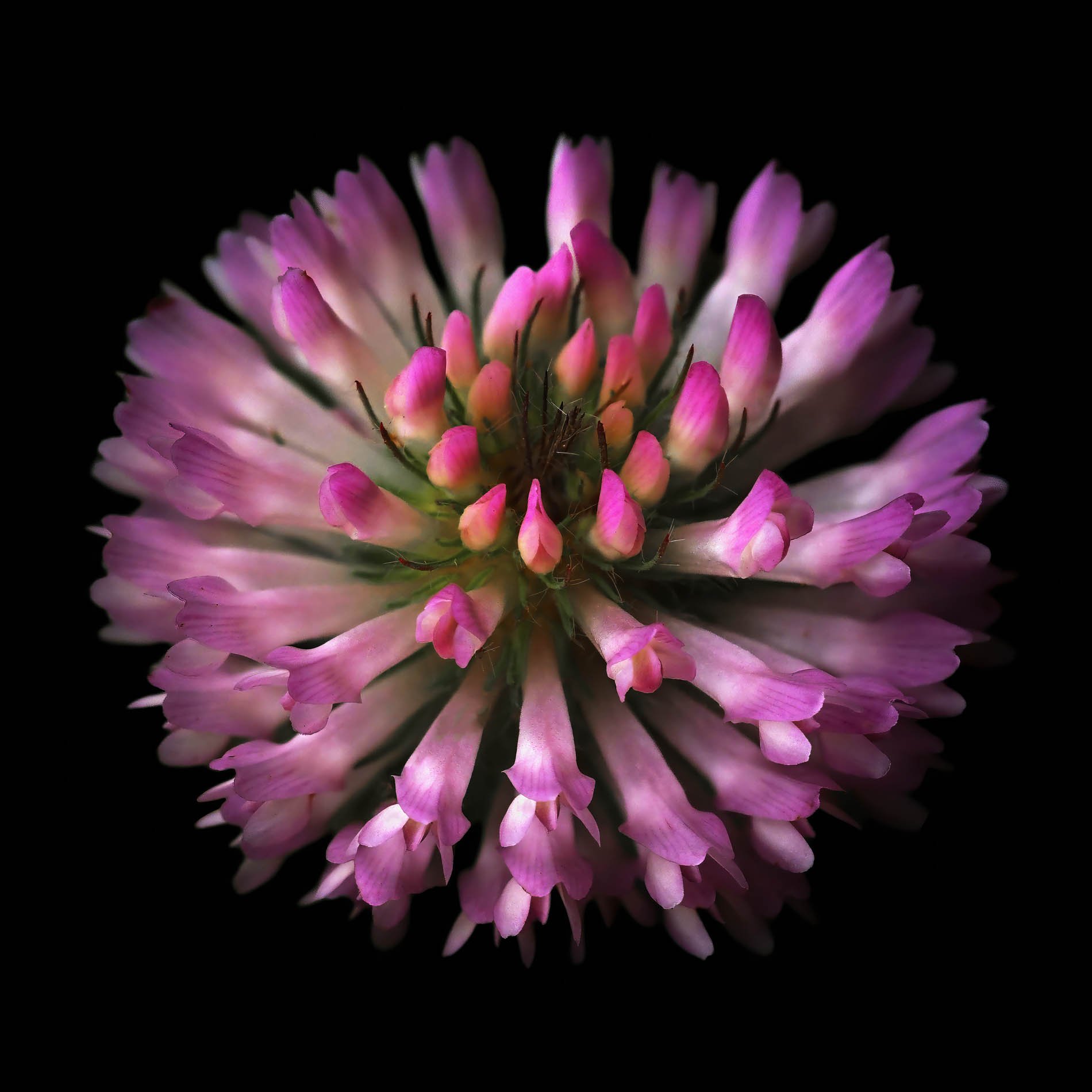
Red Clover (Trifolium pratense) Each rose-pink flower head of red clover is not a single flower but a dense cluster of tiny florets. Their nectar sits at the bottom of long, narrow tubes, so it is best reached by long-tongued bumblebees, such as the common carder bee and garden bumblebee, which depend heavily on it. Red clover flowers from May to September in grassland, verges and field edges. Like other members of the pea family, red clover forms a partnership with bacteria that live in nodules on its roots. The bacteria take nitrogen from the air and convert it into a form plants can use, enriching the soil. For this reason, clover has long been sown in farm rotations to restore fertility, and it has often been included in seed mixes used to reclaim colliery spoil, where nitrogen is scarce. Red clover has a long history of human use. It was grown as a fodder crop for livestock, and in herbal tradition its dried flowers were used in remedies for coughs. Generations of children pulled out the florets to suck the sweet nectar from their bases. Where miners once took wealth from deep underground, red clover builds it back at the surface, drawing nitrogen from the air into the soil.
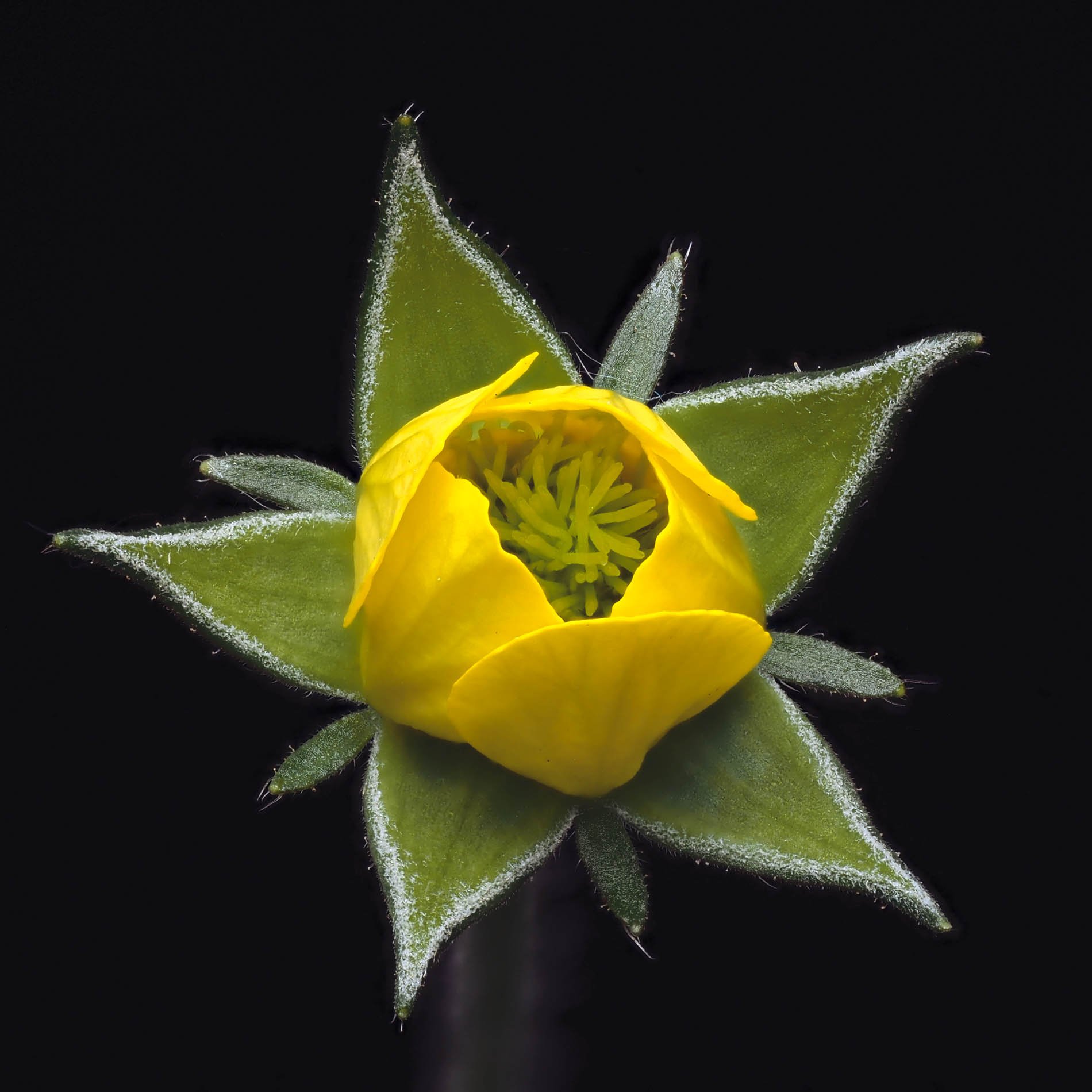
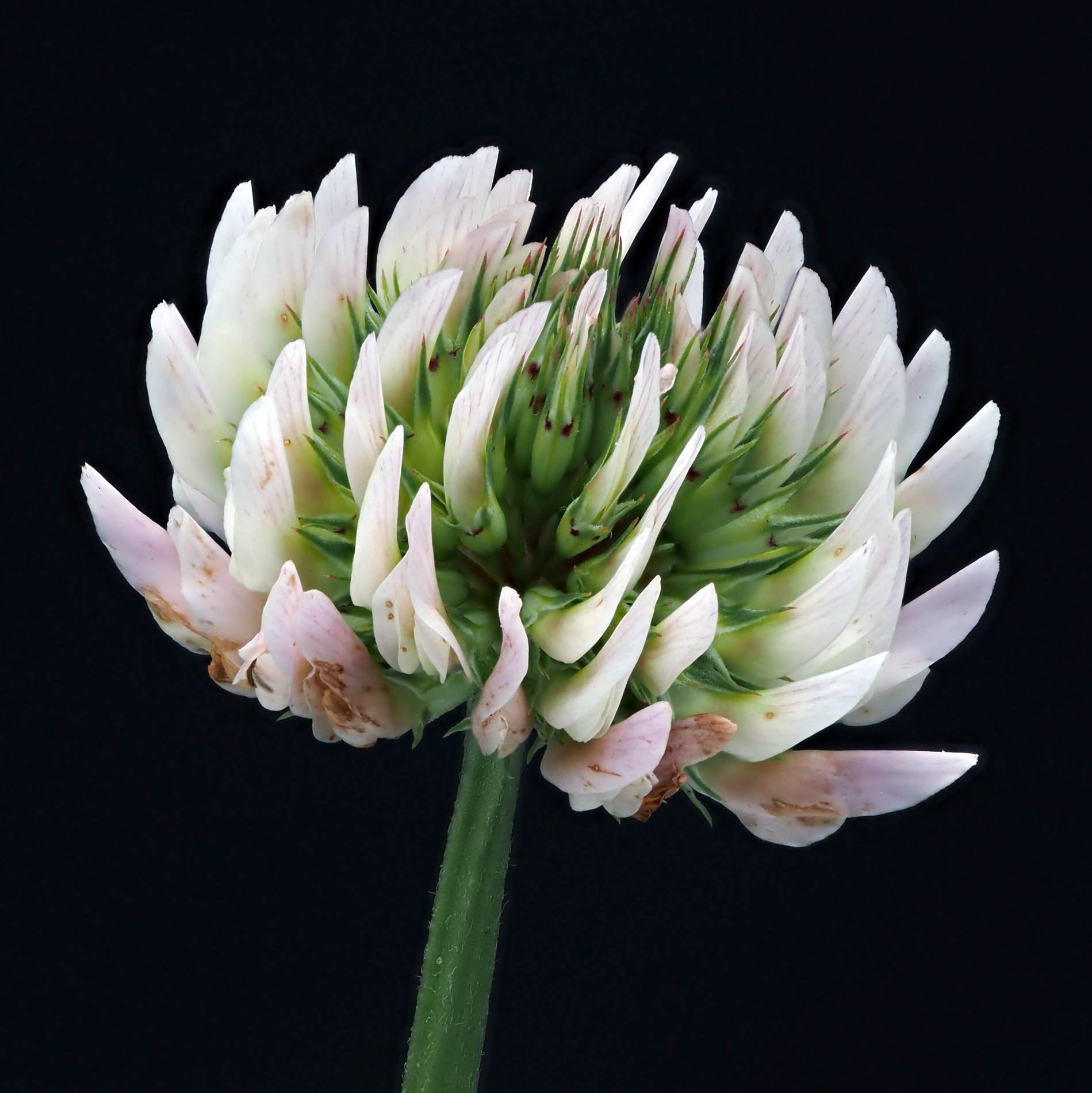
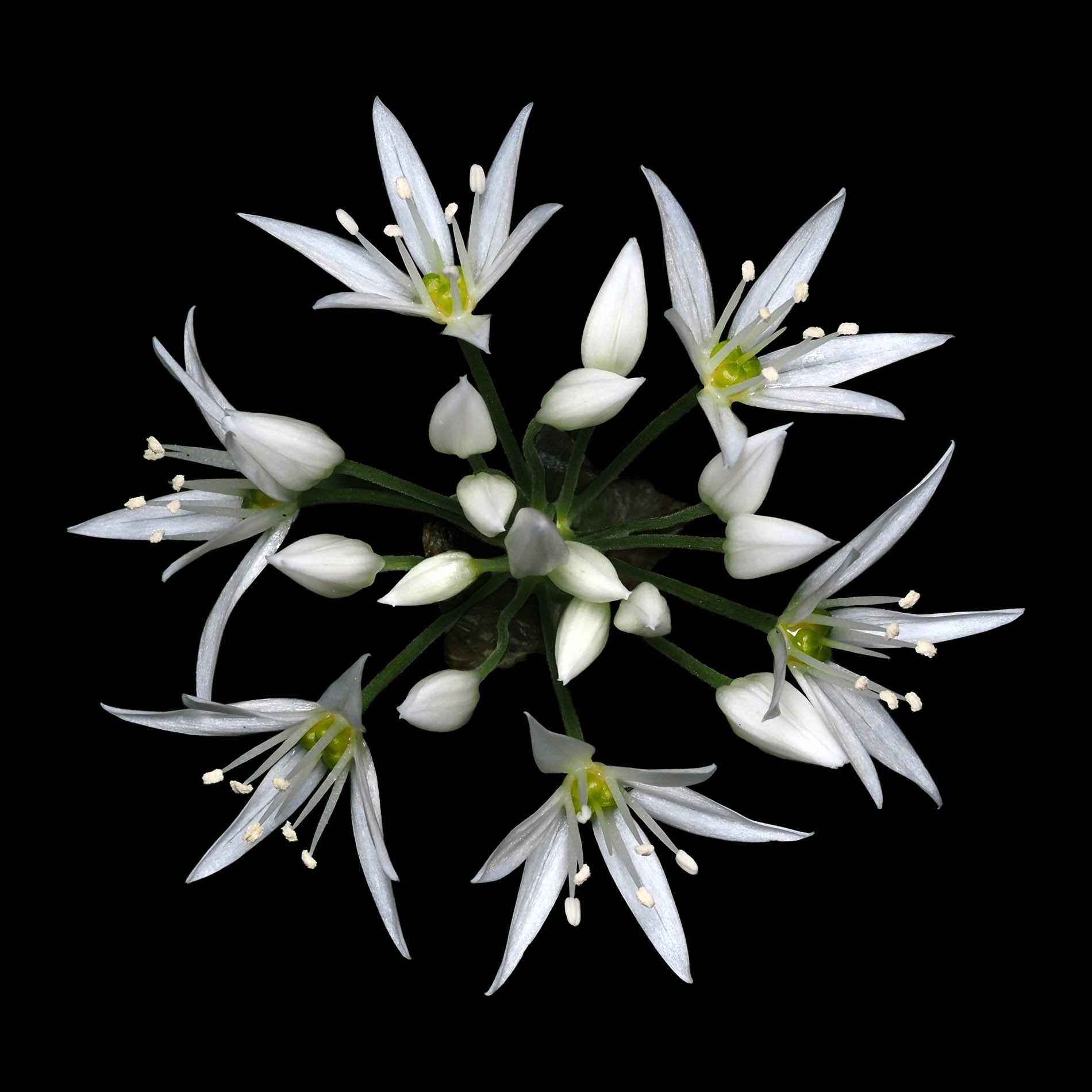
Wild Garlic or Ramsons (Allium ursinum) In spring, wild garlic carpets damp, shady ground with broad, pungent leaves and white, star-like flowers, visited by bees, hoverflies and other insects. Long gathered as a spring food and tonic, it is one of Britain's ancient woodland indicators, plants found mainly in woods that have existed for centuries. Its seeds fall close to the parent plant, so it spreads extremely slowly and rarely reaches new woodland on its own. In County Durham, the place name Ramshaw, near Bishop Auckland, comes from the Old English for wild garlic, hramsa, and in Northumberland it was known as "ramps." In 1597, the herbalist John Gerard recommended its leaves, eaten with butter in spring, for labouring men. Here, with no old woodland nearby, it was most likely brought in by people. It now offers a glimpse of the ancient woodland floor this young woodland may one day become.
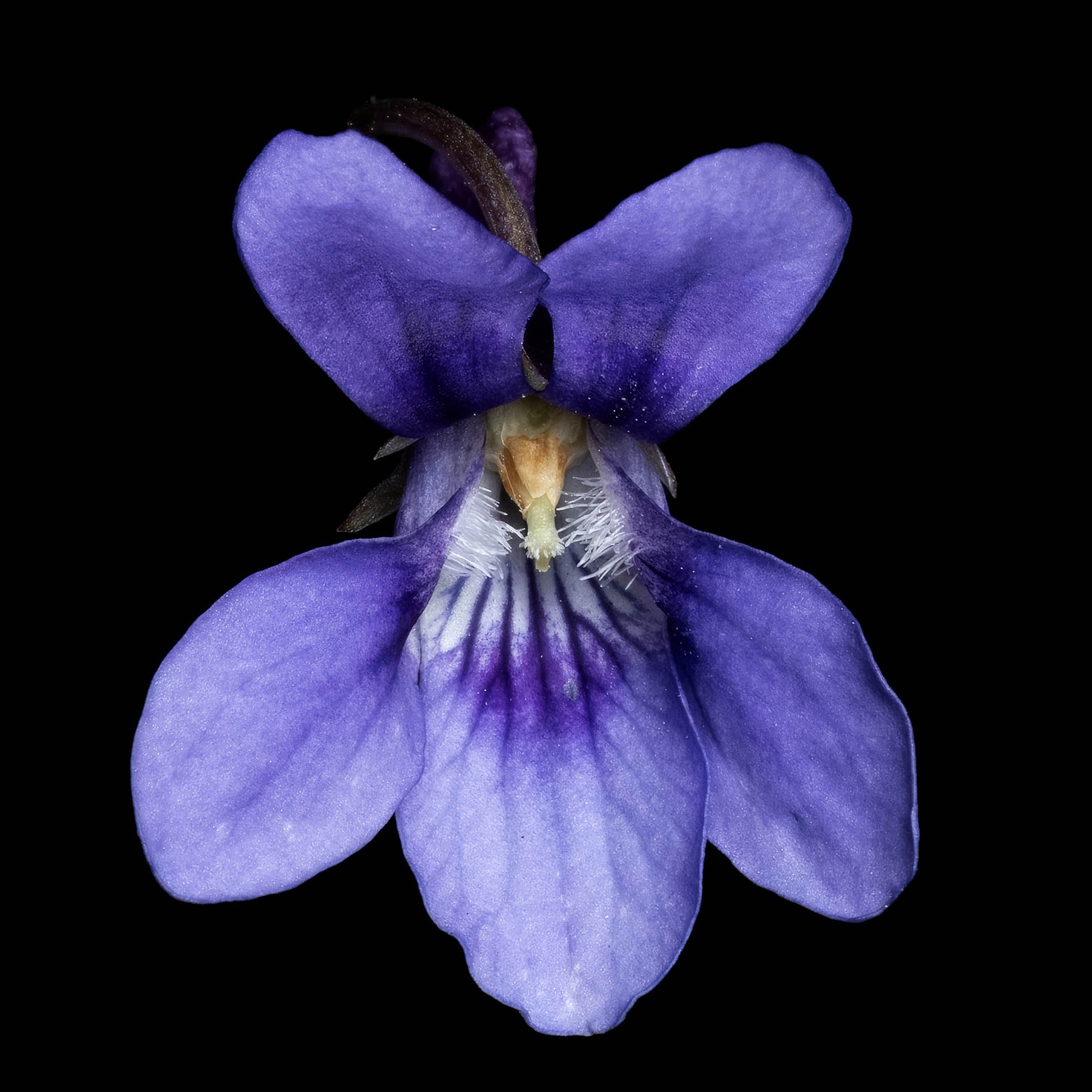
Common Dog-violet (Viola riviniana) The common dog-violet is Britain's most widespread violet, flowering from April to June on woodland floors, hedgebanks and grassy slopes. Dark lines on its lower petal lead into a pale, hairy throat, guiding bees towards the nectar held in a spur behind the flower. Later in the year, it also produces small flowers that never open and pollinate themselves, a back-up way of setting seed. When its seed capsules ripen, they split and flick the seeds away. Each seed carries a small oily attachment that ants find irresistible, and they carry the seeds back to their nests, spreading the plant further. Its leaves are the main foodplant for the caterpillars of several fritillary butterflies, some of them now scarce. Unlike the sweet violet, it has no scent, and the "dog" in its name was an old way of marking a plant as the poorer relative of a more prized one. On former colliery land, it appears along woodland edges and grassy banks as the ground settles and shade returns.
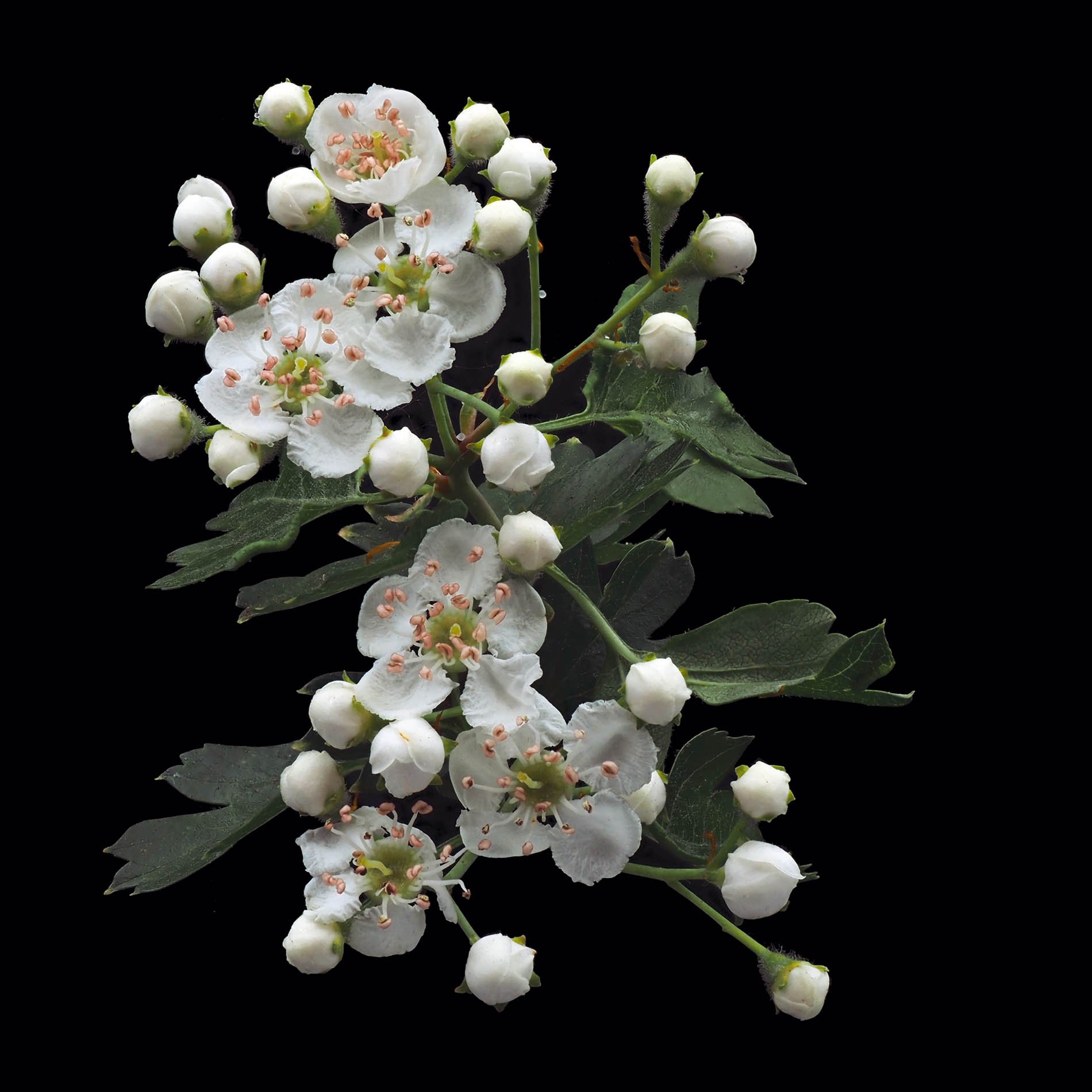
Hawthorn (Crataegus monogyna) In May, hawthorn covers hedges and scrub in clusters of white blossom, each flower with five petals around a ring of pink-purple anthers. Its old name, the May tree, comes from its flowering time. In autumn the flowers become dark red berries, known as haws, which feed thrushes, blackbirds, and winter visitors such as redwings and fieldfares. Hawthorn supports more than 300 species of insects, and its thorny branches give nesting birds shelter from predators. Hawthorn has shaped the British countryside. During the Enclosure Acts of the 18th and 19th centuries, vast numbers were planted to make stock-proof hedges, and it was known as "quickthorn," from an old word meaning living. Folklore surrounds it: it was thought unlucky to bring the blossom indoors, perhaps because its scent was said to recall death and decay, and lone hawthorns were sometimes left standing as fairy trees. On former colliery land, hawthorn is often planted in new hedges, and birds spread its seeds onto open ground, where it grows into scrub. Over time, that scrub becomes cover and food for wildlife, and a first step towards woodland.
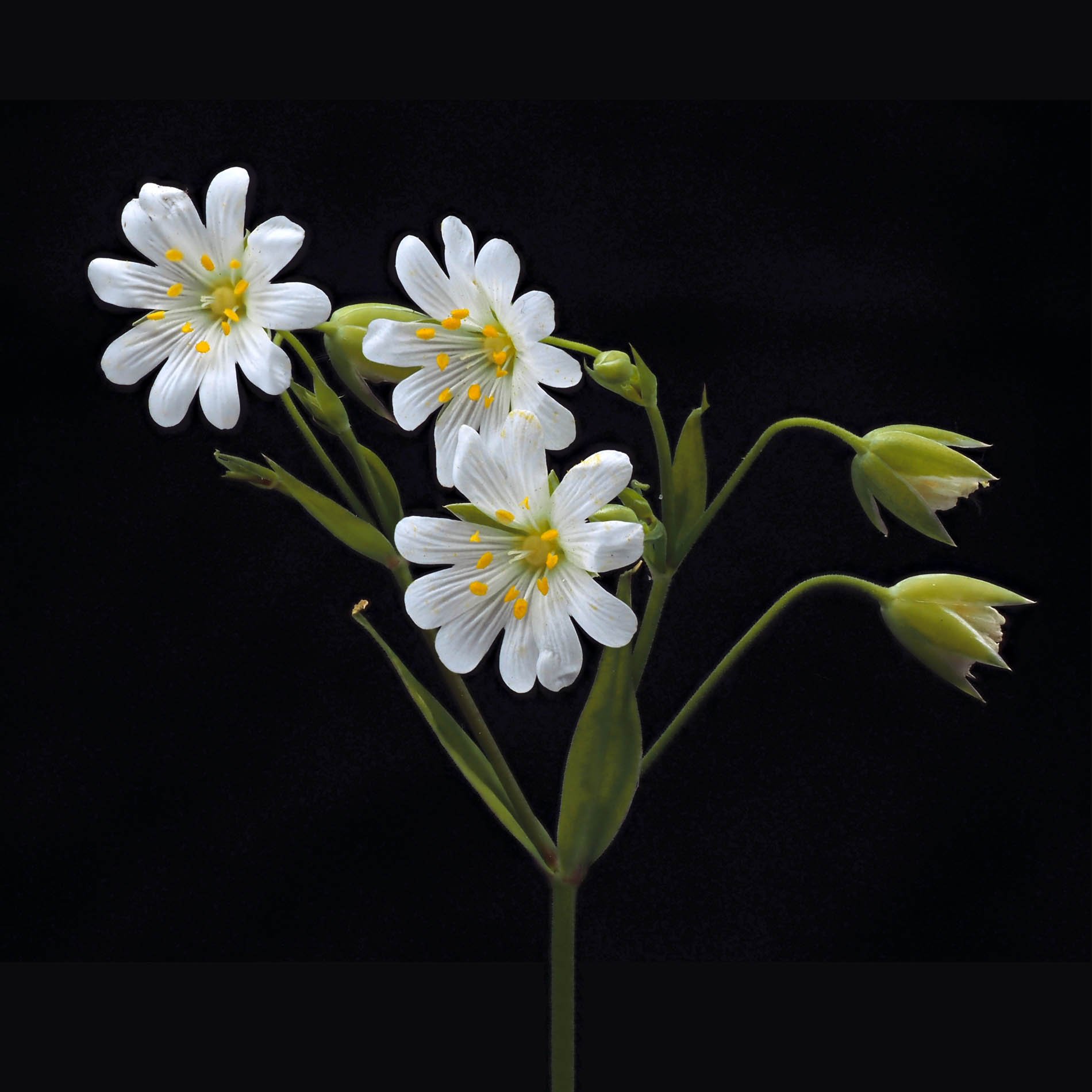
Greater Stitchwort (Stellaria holostea) This native wildflower brightens woodland edges and hedgerows from April to June. Each flower has five white petals, split about halfway down, so it appears to have ten. Its genus name, Stellaria, comes from the Latin for "star." The square, brittle stems scramble upwards by leaning on surrounding vegetation, and the flowers are visited by bees, hoverflies and other insects for their nectar and pollen. Its common name comes from its old use as a folk remedy for a "stitch" in the side. Picking it was once said to bring on a thunderstorm, and its seed capsules pop audibly as they ripen, earning it names such as "popguns." On restored colliery sites, greater stitchwort often appears along hedgerows and developing woodland margins, spreading in from surviving hedges and older woodland nearby. Small white stars against dark ground, it marks the slow return of woodland flora to the old pit lands.
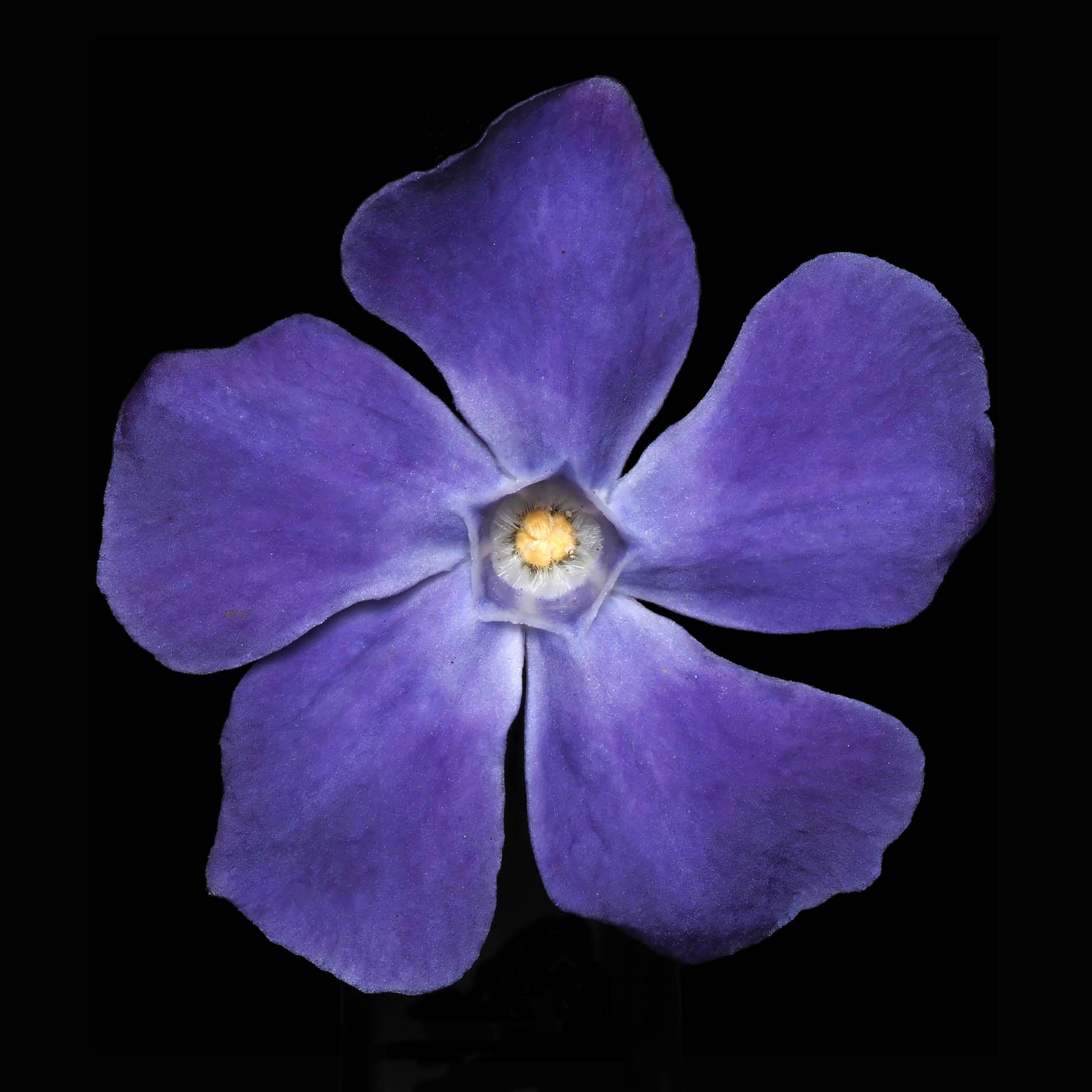
Periwinkle (Vinca species) In post-industrial woodlands, periwinkle usually arrives as a garden escape, often from dumped garden waste, or through planting. Spreading by rooting stems rather than seed, it tolerates shade well and can form dense mats that suppress native ground flora where it becomes established.
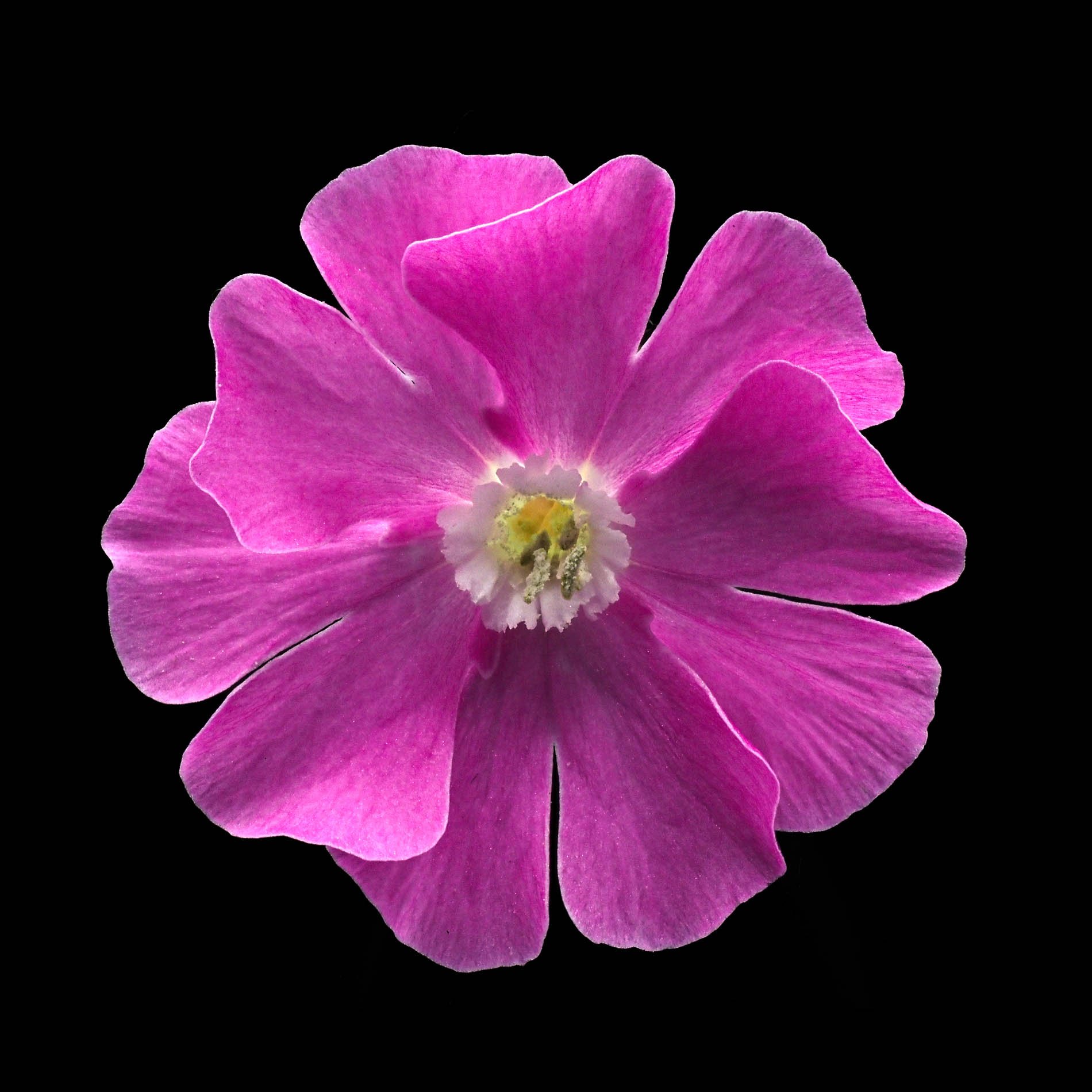
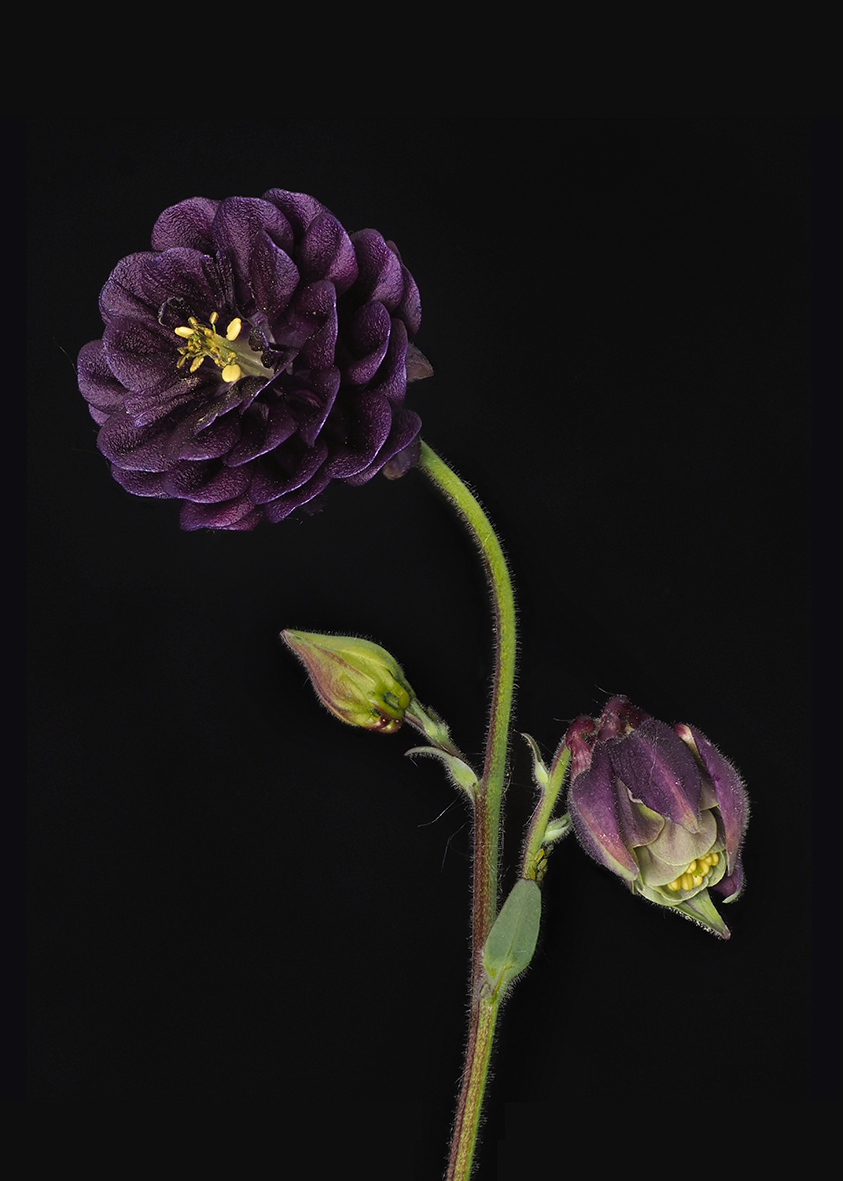
Red Campion (Silene dioica) Despite its name, red campion's flowers are bright pink. Each has five petals, deeply notched so they can look like ten, with a small white frill at the centre. The plant flowers mainly from May to June, often continuing into autumn, and grows along woodland edges, hedgerows and shady banks. Its flowers are visited by bumblebees, butterflies and hoverflies. Red campion has separate male and female plants, which is what dioica, meaning "two houses," refers to. This flower is male: its stamens, carrying grey-green pollen, can be seen at the centre. Female flowers have five fine styles instead. Red campion also hybridises with white campion, producing flowers in paler shades of pink. In parts of northern England, red campion was known as "mother-and-father-die," and children believed picking it would bring misfortune on their parents. On former colliery land, red campion appears where developing woodland and hedgerows have built richer, shadier soils than the raw spoil left by mining, a sign of how far the ground has come.
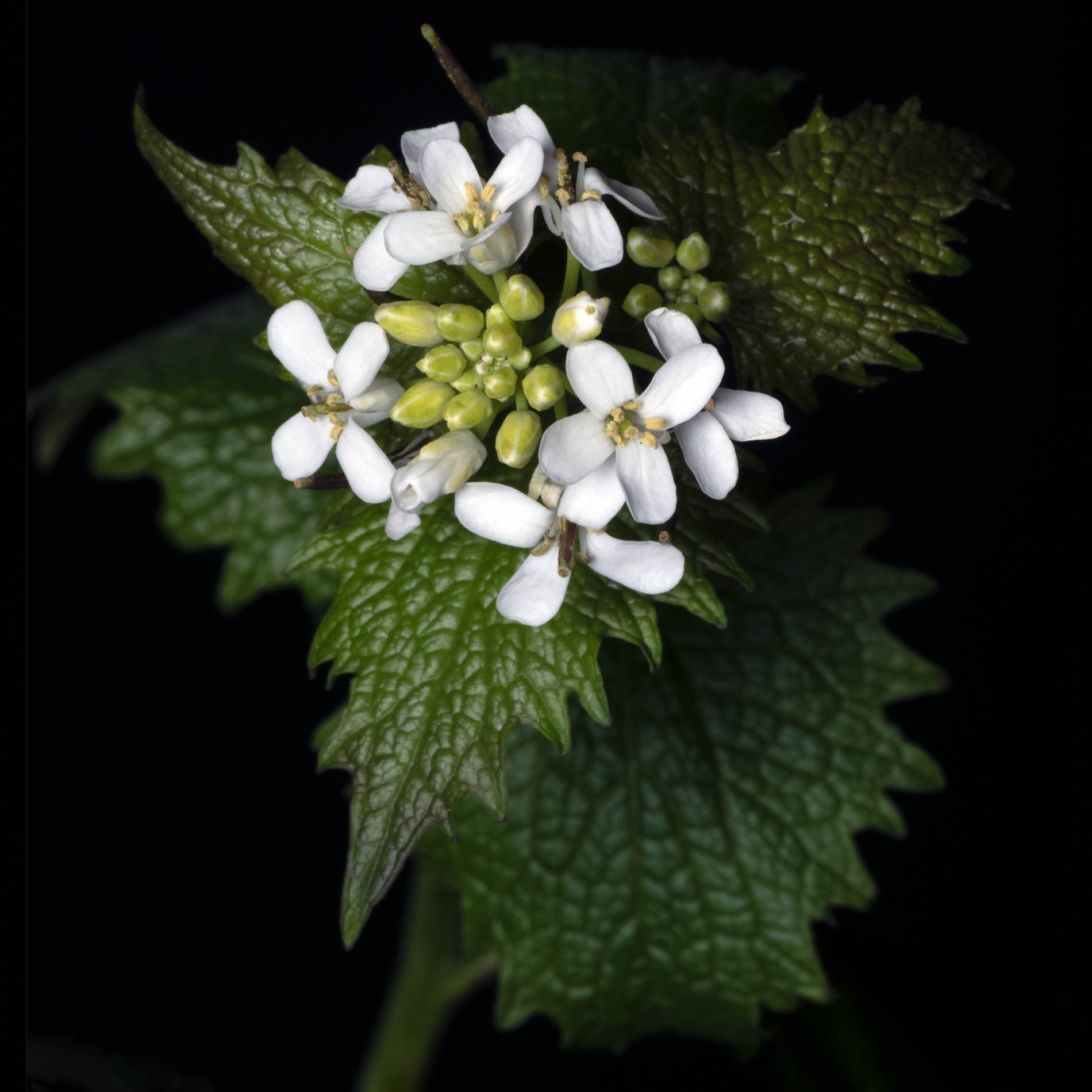
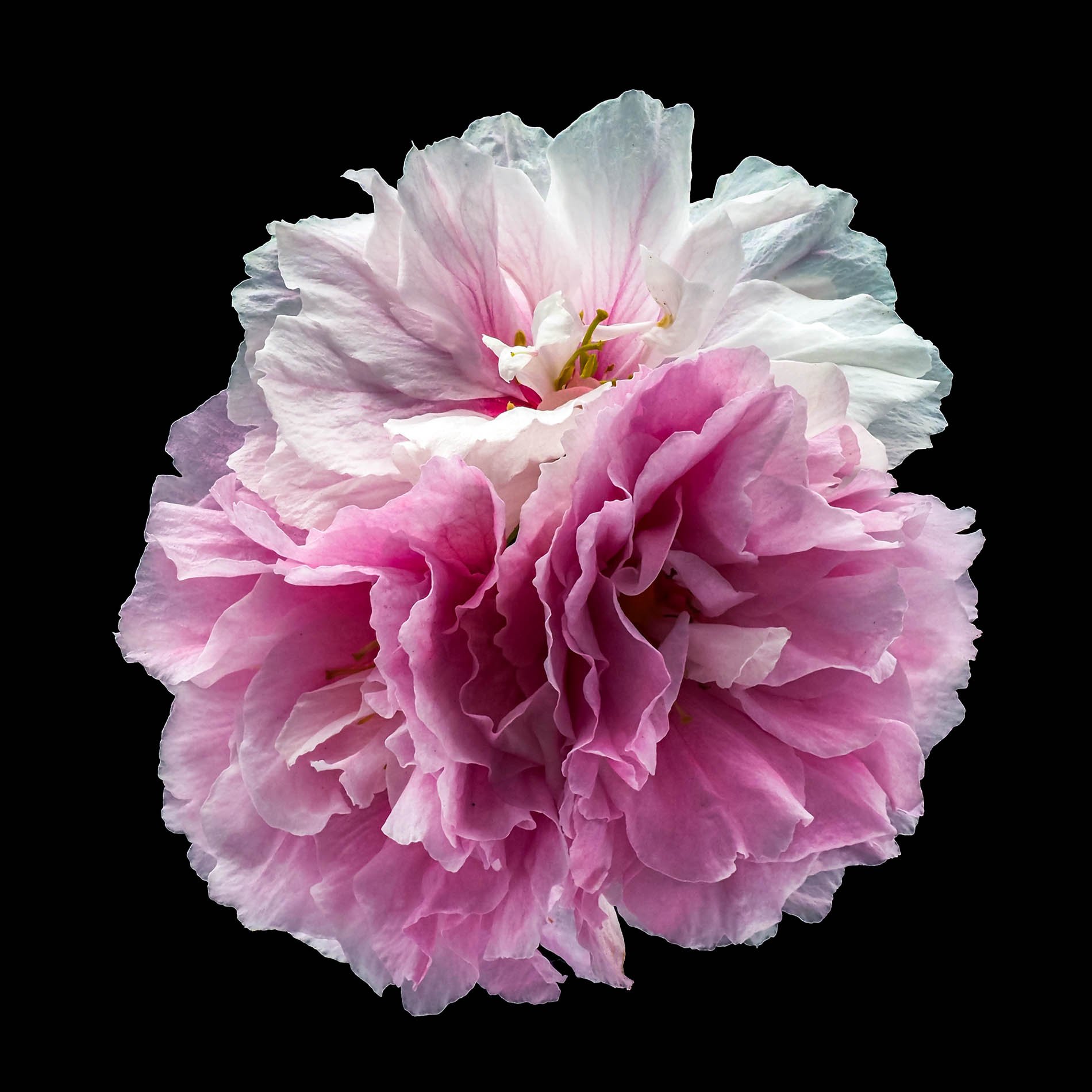
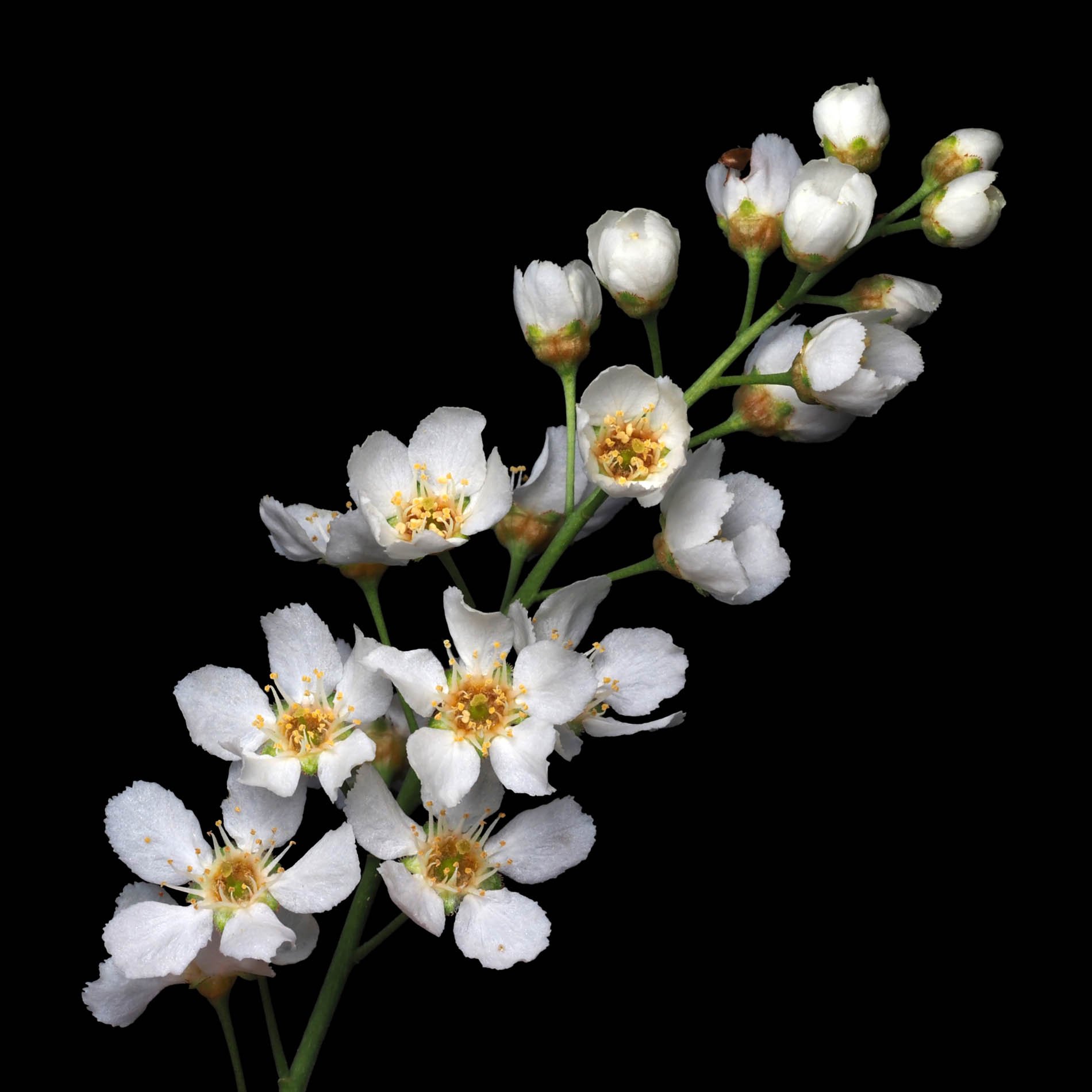
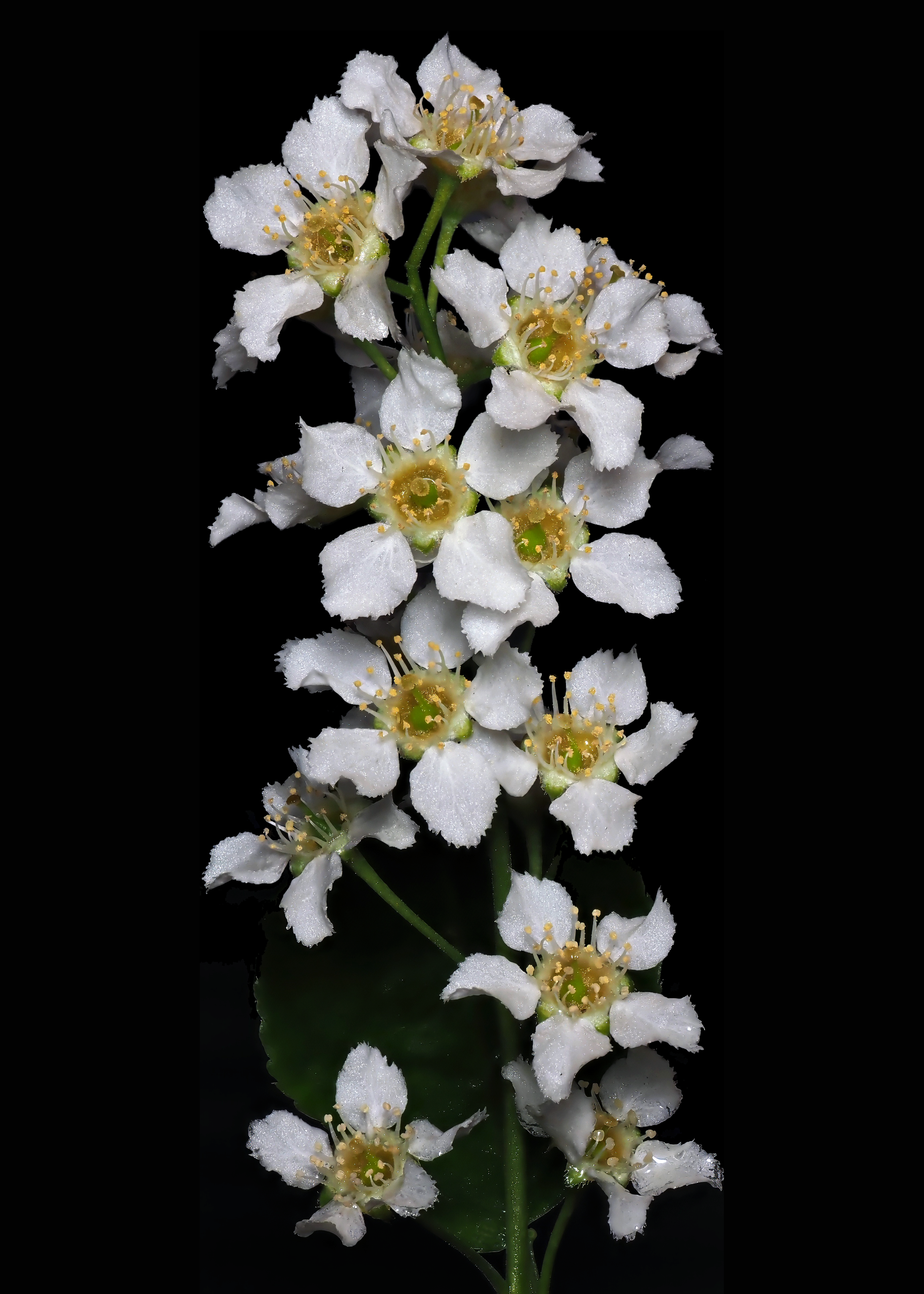
Bird Cherry (Prunus padus) In April and May, bird cherry produces long spikes of fragrant white blossom, opening from the base upwards, visited by bees and flies. This native tree grows naturally in damp woodland and along streams, especially in northern and western Britain. Its black cherries, bitter to people, ripen in mid to late summer and are eaten by thrushes, blackbirds and other birds, which spread the seeds. Bird cherry is also the foodplant of the bird-cherry ermine moth. In some years, its caterpillars cover entire trees in shimmering silk webs and strip them of leaves, yet the trees usually recover, growing fresh leaves later in the summer. In northern England and Scotland, bird cherry was known as hagberry, a name probably rooted in the Old Norse word for the tree. Over time, the name became linked with the word "hag," and in north-east Scotland folk belief held that its wood was unlucky and should never be used. Its bitter fruit found a better use, steeped in whisky or brandy to make a liqueur. On former colliery land, bird cherry adds blossom, fruit and food for insects and birds to young woodland, helping turn bare ground into a living landscape.
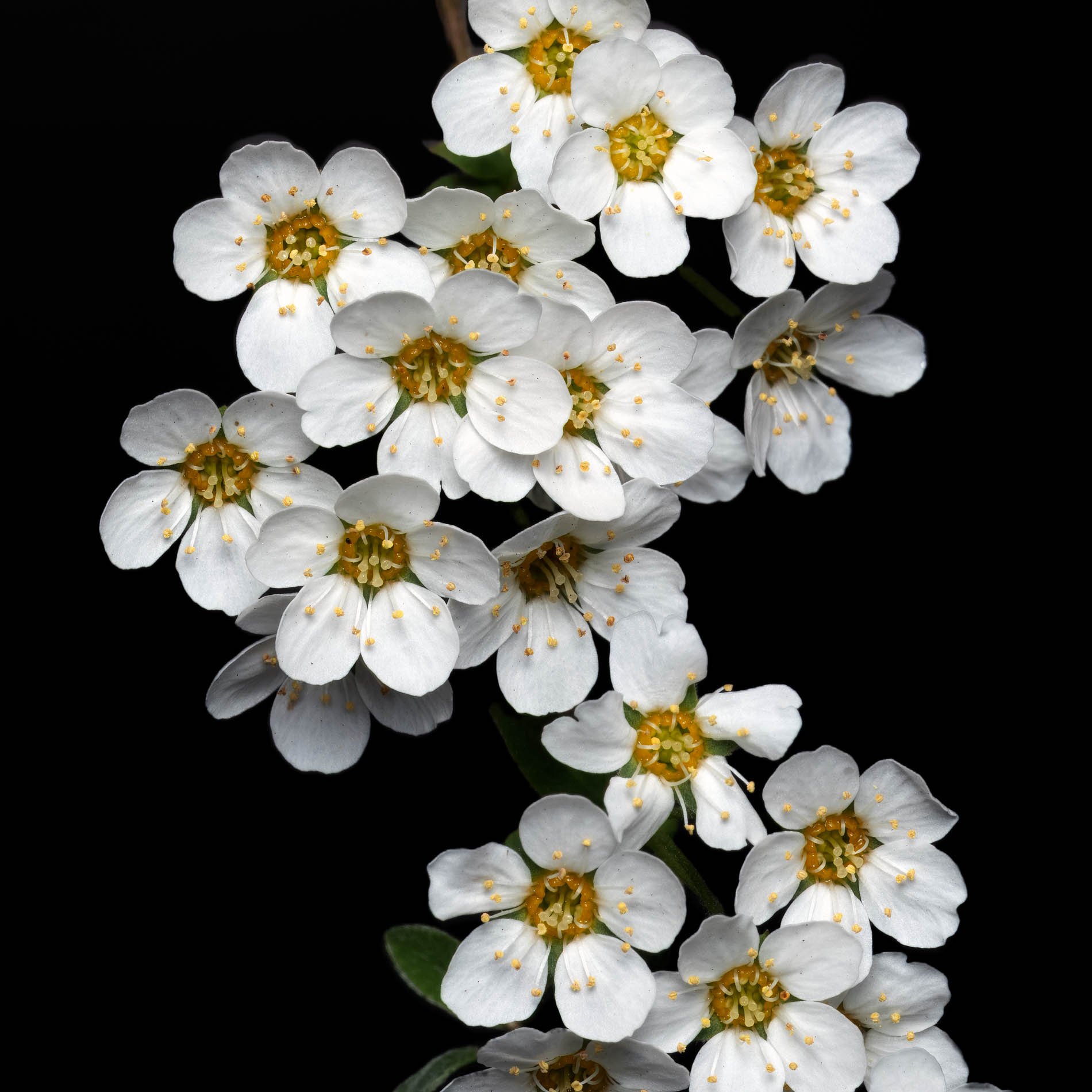
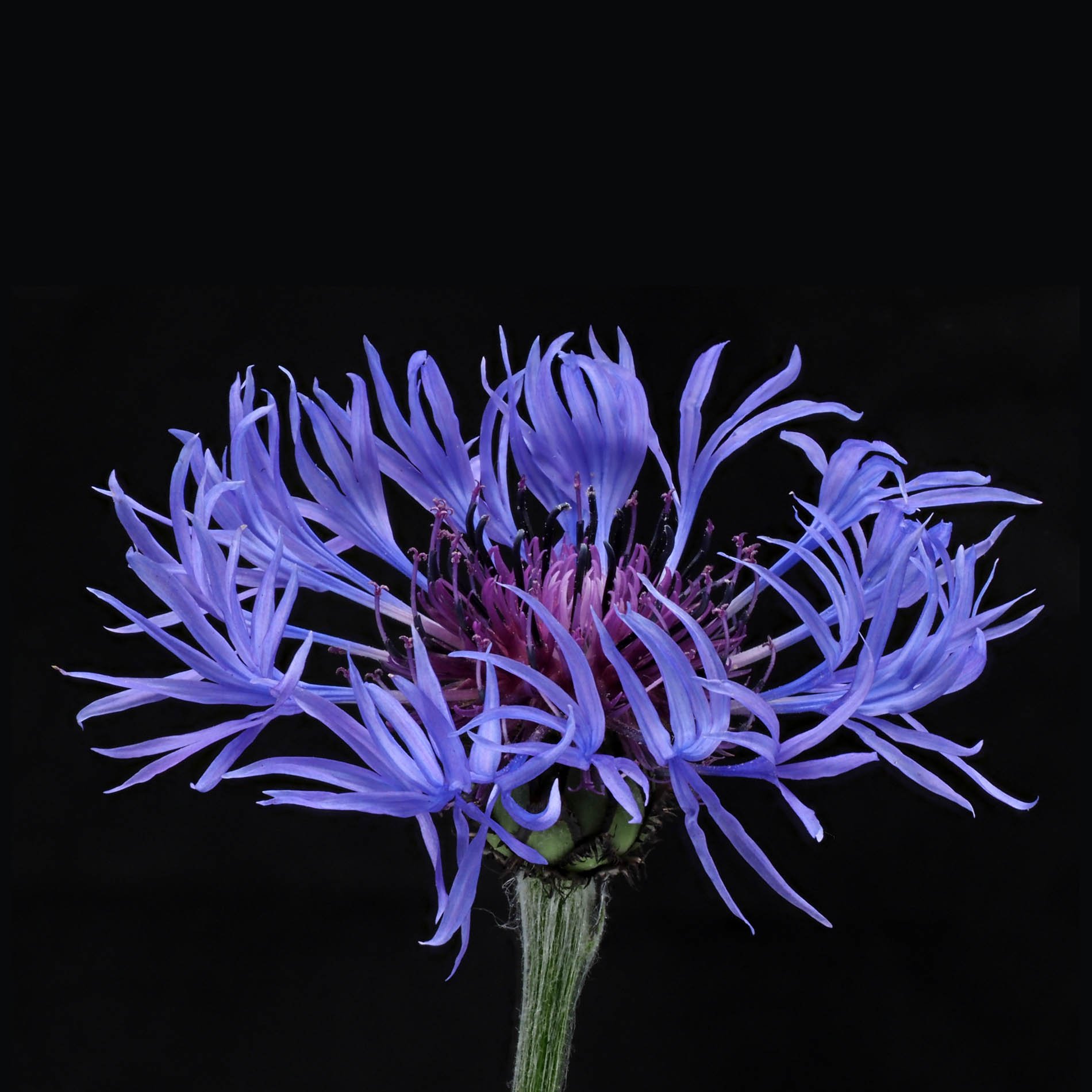
Cornflower (Centaurea cyanus) The cornflower takes its name from the cornfields where it once grew, "corn" being the old word for cereal crops. Introduced to Britain in the Iron Age, it spread with grain and became a common weed of arable fields. Its vivid blue flowers produce nectar rich in sugar, visited by bees and other insects, and goldfinches feed on its seeds. It is also known as bachelor's buttons, from its use as a buttonhole flower, and in France the cornflower, or bleuet, is the symbol of remembrance for those who served in war, just as the poppy is in Britain. In the 20th century, cleaner crop seed and the spread of herbicides almost wiped out cornflowers from farmland, and genuinely wild arable populations are now rare. Since the 1980s, though, the cornflower has returned through wildflower seed mixes. Many of the cornflowers seen today, including on former colliery land, come from sowing rather than surviving wild populations. Each brief summer of blue now brings colour and nectar to the reserve's meadows.
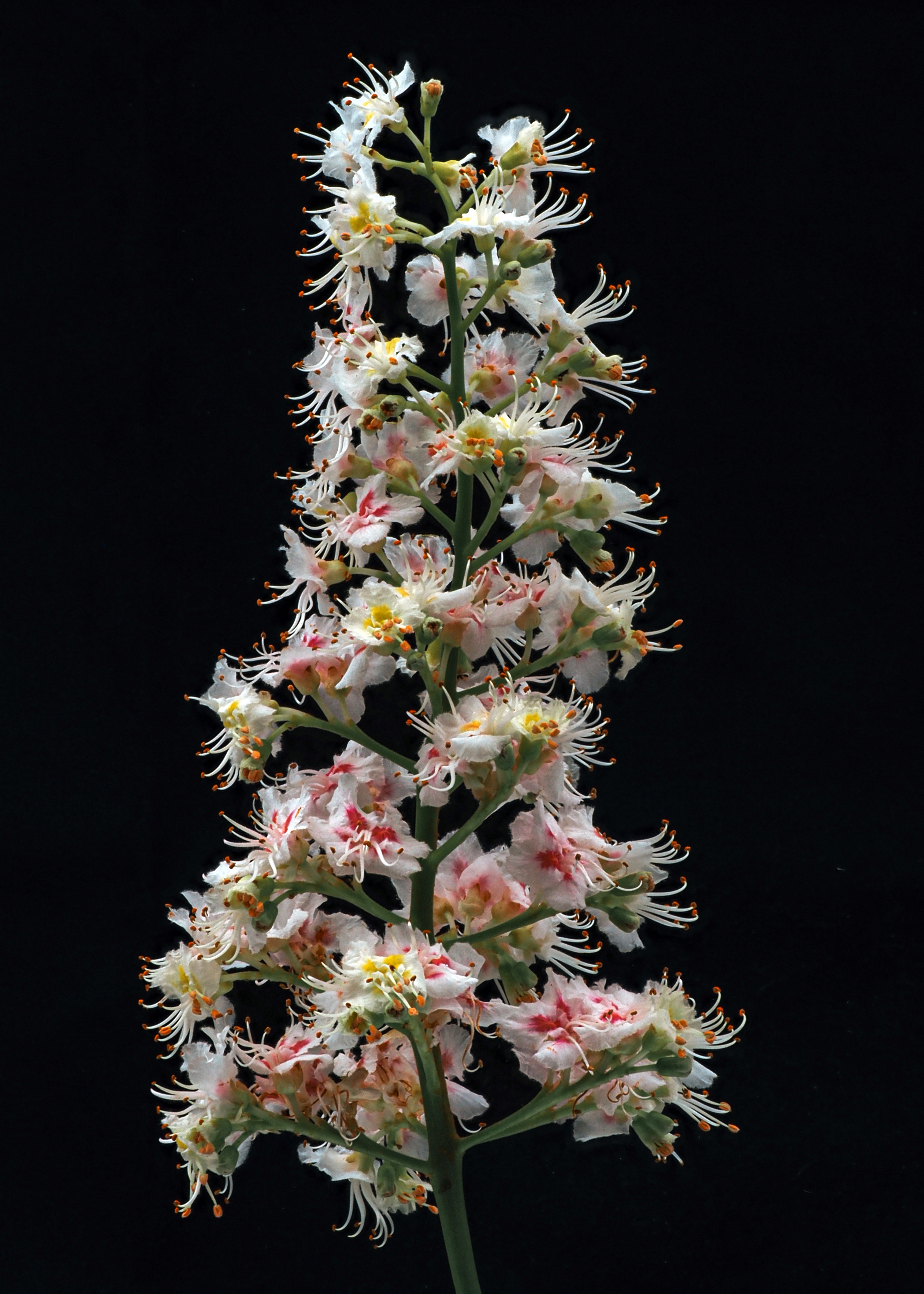
Horse Chestnut Blossom (Aesculus hippocastanum) In May, horse chestnut trees hold up hundreds of upright flower spikes, often called candles. Each spike is made up of many white flowers with frilled petals and long, curving stamens. Look closely and you will see a small coloured patch at the base of the upper petals. On fresh flowers it is yellow, guiding bees to the nectar. Once a flower has been pollinated and its nectar runs low, the patch turns pink and then deep red. Bees see red poorly, so the change steers them towards the flowers that still have something to offer, which helps the tree too. The main visitors are bumblebees and honeybees. The horse chestnut was brought to Britain for this display, and it was widely planted in parks, avenues and village streets, including in many mining towns and villages. Its scientific name, hippocastanum, means "horse chestnut," perhaps from an old belief that its seeds cured horses of coughs, or from the horseshoe-shaped scars its leaves leave on the twigs.
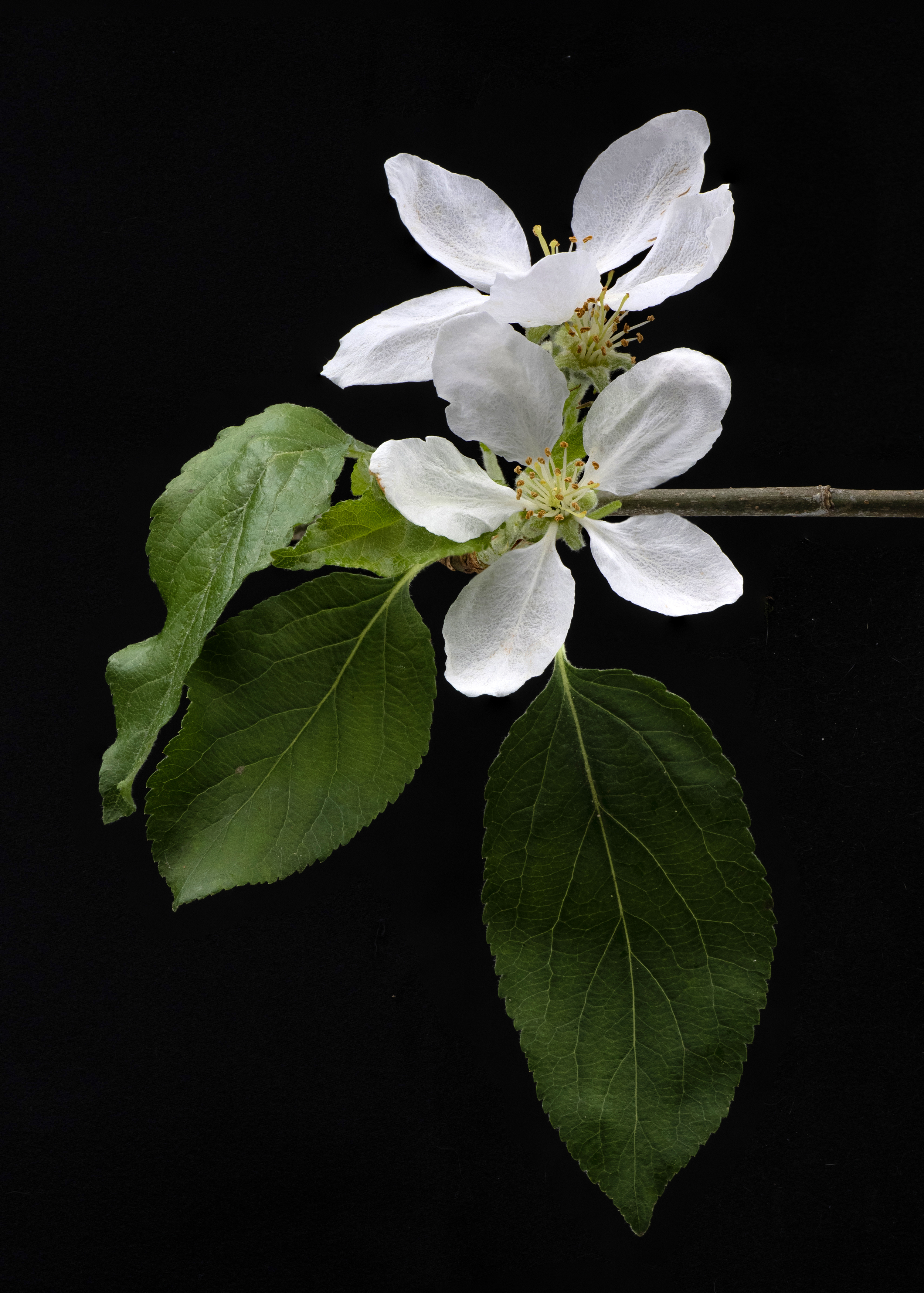
Apple Blossom (Malus species) In late April and May, apple trees open clusters of white, sometimes pink-flushed flowers, each with five petals around a crown of yellow-tipped stamens. The blossom is an important early source of nectar and pollen for bees, which in turn pollinate the flowers so that fruit can form. In autumn and winter, fallen apples feed blackbirds, thrushes and winter visitors such as fieldfares and redwings. Two kinds of apple grow wild in Britain. The native crab apple has small, sour fruit and has long been used to make jelly and verjuice, a sharp juice used in cooking. Domestic apples also grow wild, often springing up beside paths, roads and railways from discarded cores. Because apples do not grow true from seed, every one of these wildings is a new variety, unlike any apple grown before. On former colliery land, crab apples are often planted in new woodland and hedges, while wilding apples appear along well-used paths, perhaps from cores dropped by walkers, each tree a small, unplanned addition to the landscape.
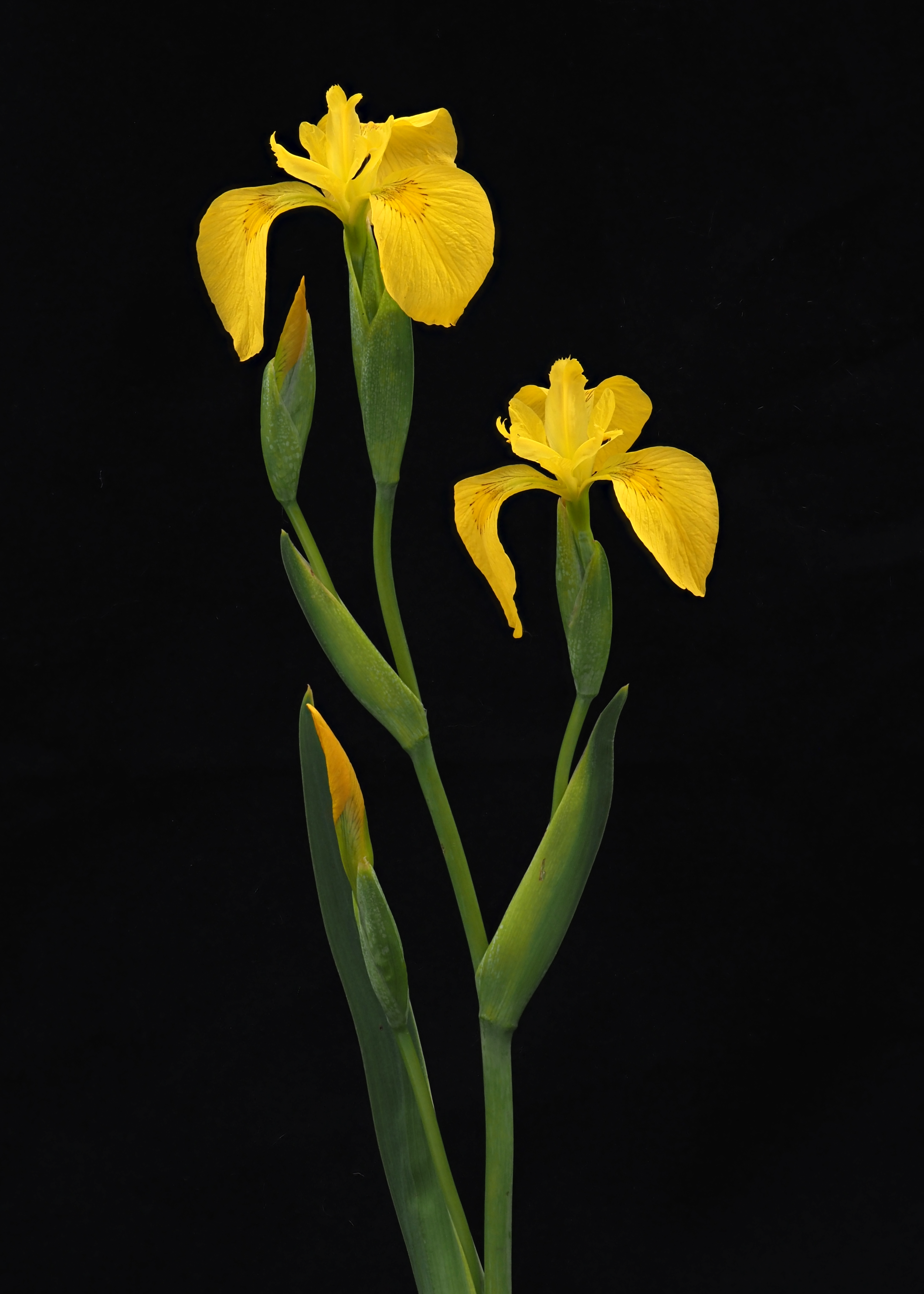
Yellow Iris (Iris pseudacorus) The yellow iris, also known as yellow flag or water flag, is a native perennial of wet ground and water margins. On former coal mining sites, it often grows around subsidence pools and waterlogged hollows, where its thick rhizomes help bind soft, wet soils. Its tall, sword-like leaves and bright yellow flowers, which appear from May to July, attract bumblebees and other insects, while dense stands provide shelter for amphibians, birds and other wetland wildlife. Its roots, treated with iron, once made black dye and ink, and it is widely thought to be the flower behind the fleur-de-lis. Alongside reeds, rushes and other marginal plants, it helps turn the flooded legacy of mining into valuable wetland habitat.
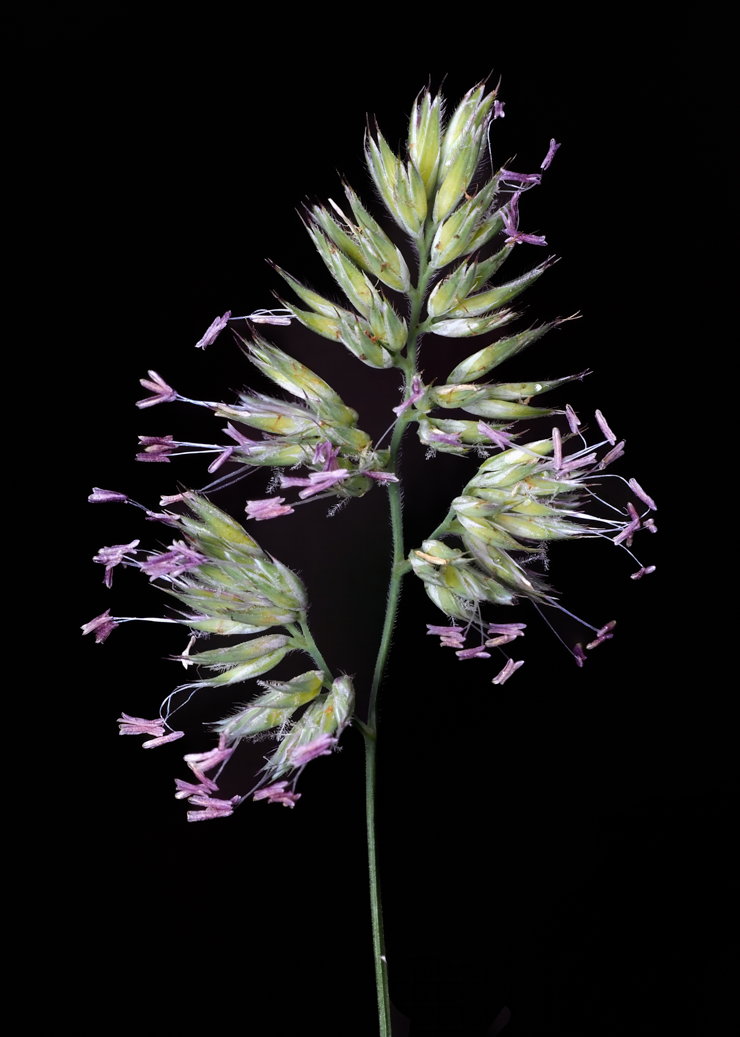
Cock's-foot (Dactylis glomerata) This common grass, also known as orchard grass, takes its name from its flower head, where the spikelets gather in dense, one-sided clusters that spread like the toes of a bird's foot. Like all grasses, it is wind-pollinated. Here it is in full flower, with purple anthers hanging on fine threads to release pollen into the breeze. Cock's-foot is a coarse, tufted perennial of rough grassland, field edges and disturbed ground, and it readily colonises restored colliery sites. Its caterpillar foodplant role is significant: it is eaten by the larvae of several grassland butterflies, including the meadow brown, gatekeeper, ringlet and speckled wood. Its dense tussocks also give shelter to overwintering beetles, spiders and other invertebrates, as well as cover for small mammals such as voles. On land once stripped bare by mining, tussocks like these help turn rough ground into living grassland, sheltering much of the life that now returns.
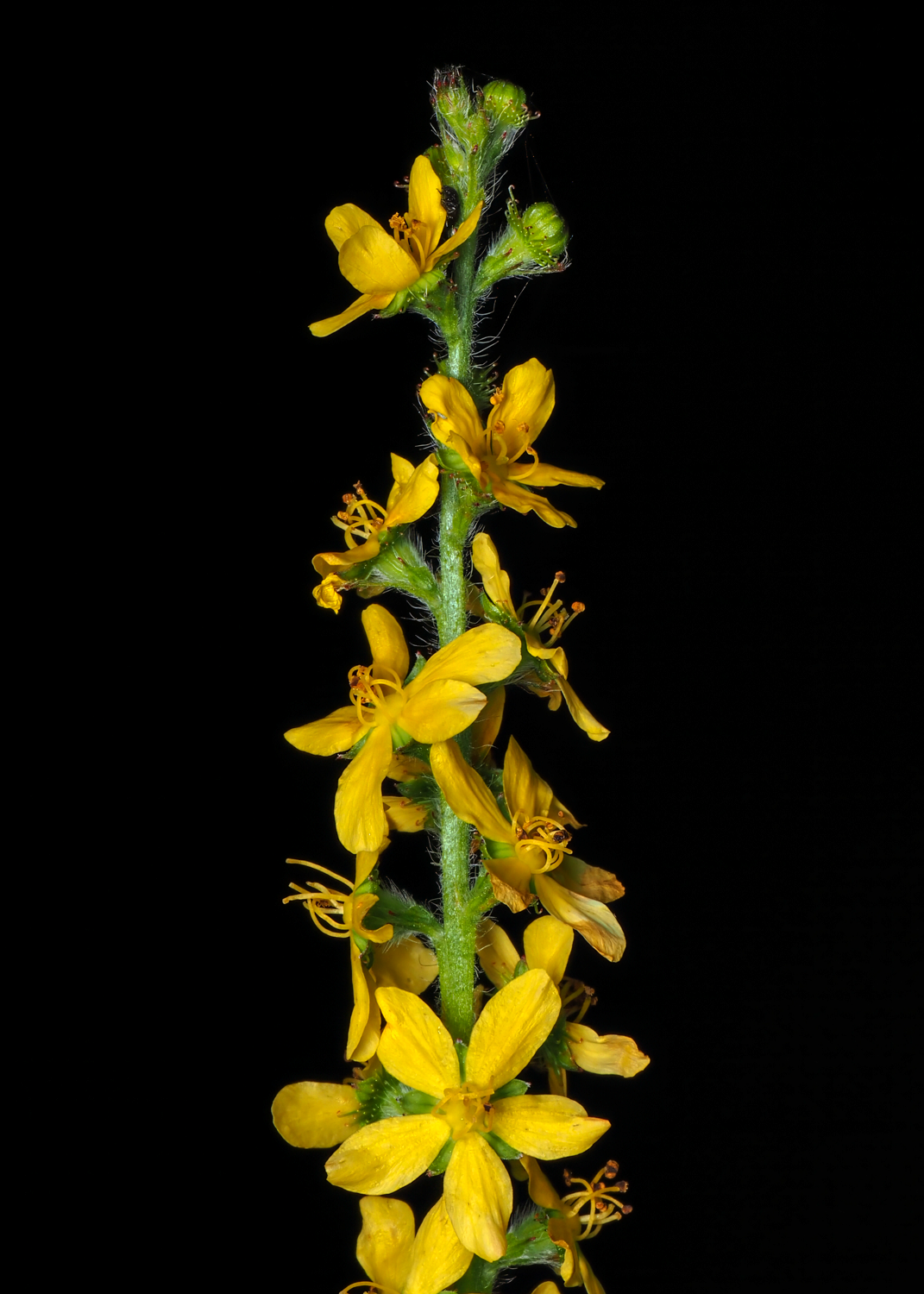

Common Vetch (Vicia sativa) Common vetch is a scrambling annual of the pea family, climbing through grasses with tendrils at the tips of its leaves. From spring to late summer, it bears pink-purple pea flowers, singly or in pairs, in the joints of its leaves, visited by bumblebees and other insects. Look closely at the base of each leaf stalk and you may see a small dark spot. This is a nectar gland outside the flower, which attracts ants, and the ants may in turn help protect the plant from grazing insects. Like clover and bird's-foot trefoil, it hosts bacteria in its root nodules that fix nitrogen from the air. It grows readily in rough grassland, verges and disturbed ground, including the grassland that has developed on reclaimed colliery land. Its species name, sativa, means "cultivated." Vetch has been grown since Roman times as fodder for livestock and to improve the soil, and its seeds turn up at archaeological sites across Europe. Some of the vetch growing wild today descends from those old crops.