Reclamation
On bare stone, concrete and old industrial surfaces, lichens are often the first life to return. Each one is a partnership: a fungus living with an alga or cyanobacterium, and in some species a yeast as well. Together they can grow where little else can, taking water and nutrients from rain and air and surviving months of drought, only to start photosynthesising again within minutes of rain.
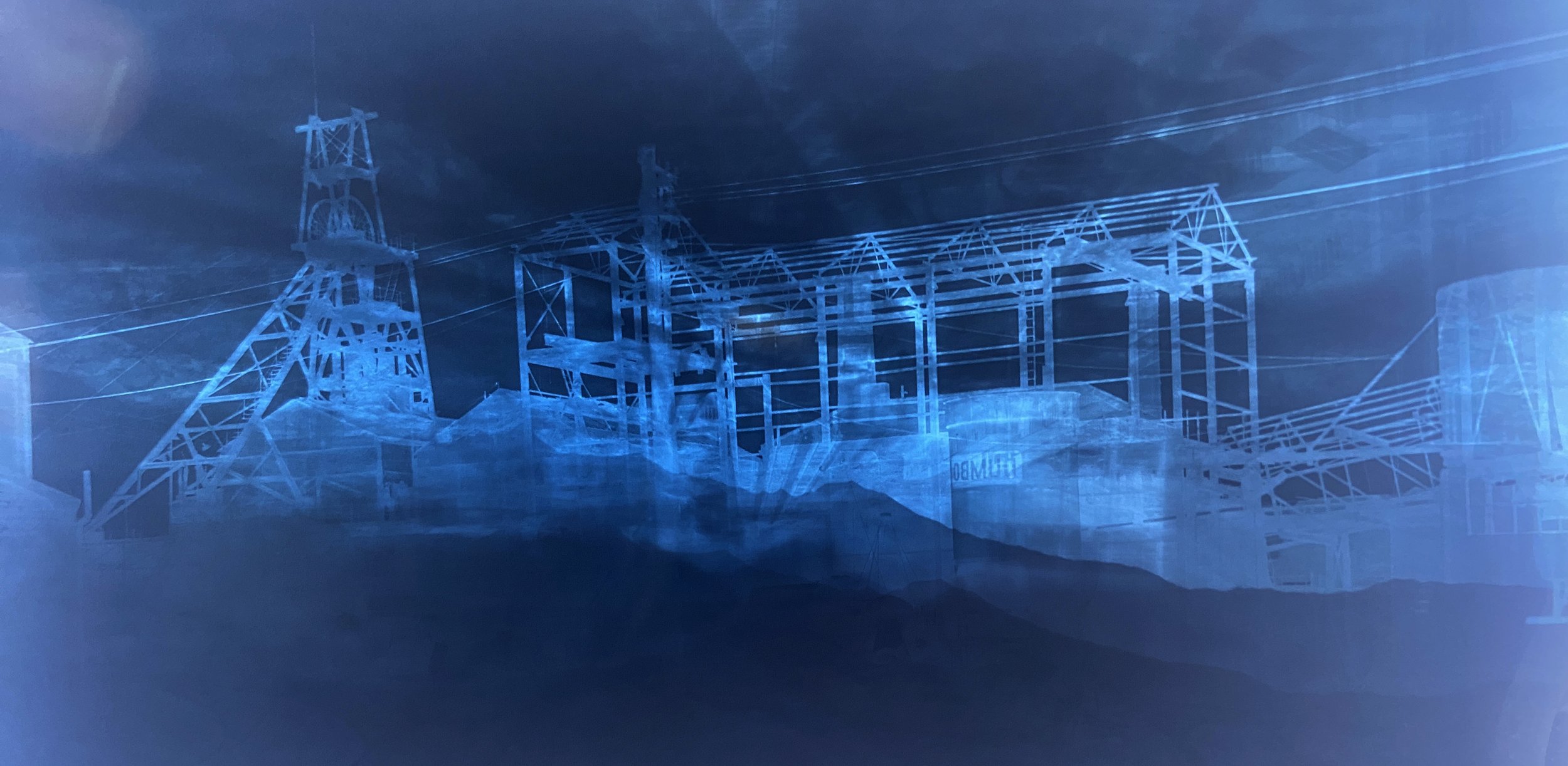
Their return is also a measure of cleaner air. Because lichens absorb everything from the atmosphere, the sulphur dioxide from burning coal stripped many species from industrial Britain. As the pits closed and coal use declined, they began to come back. On land once defined by coal, their spread is one of the clearest signs of how much has changed.
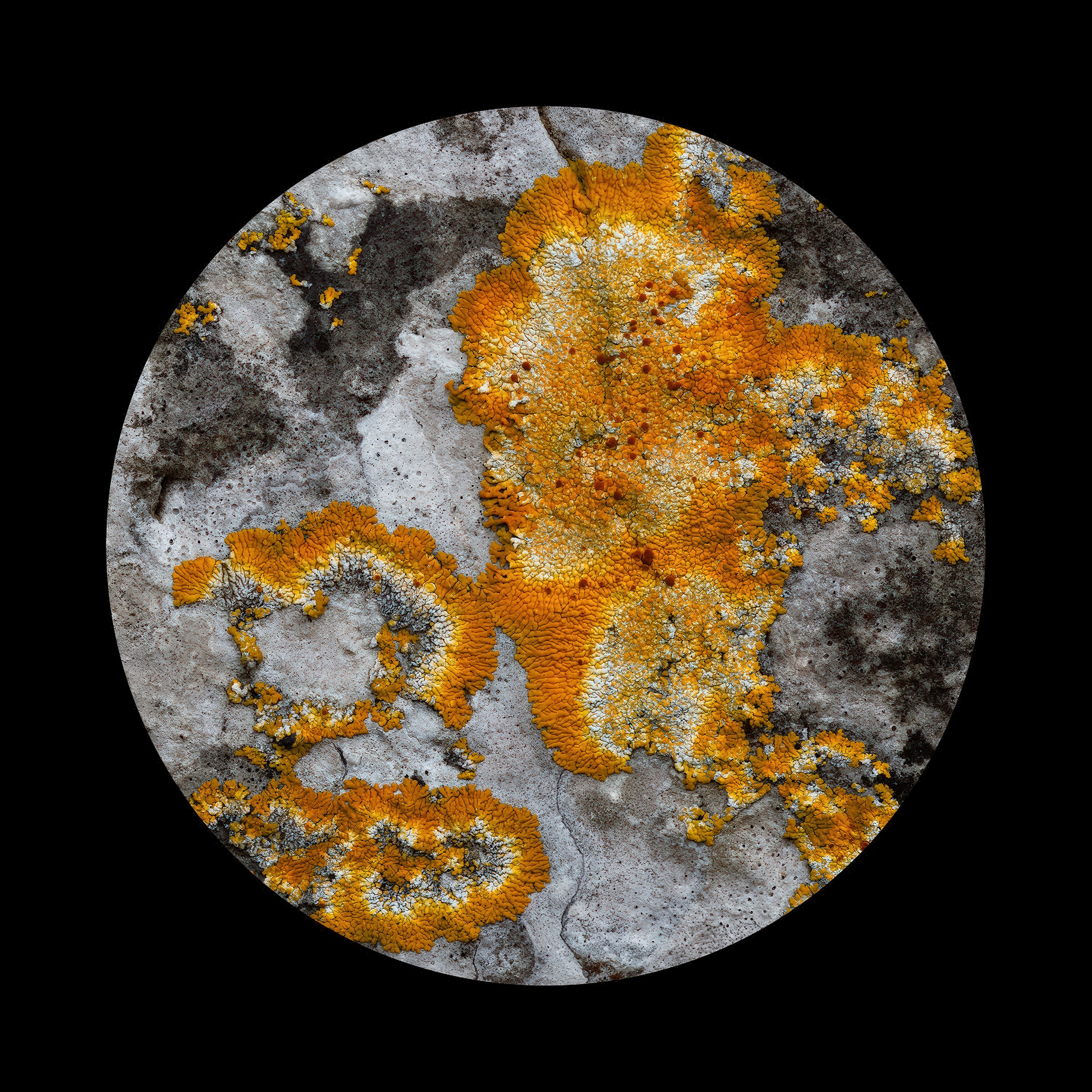
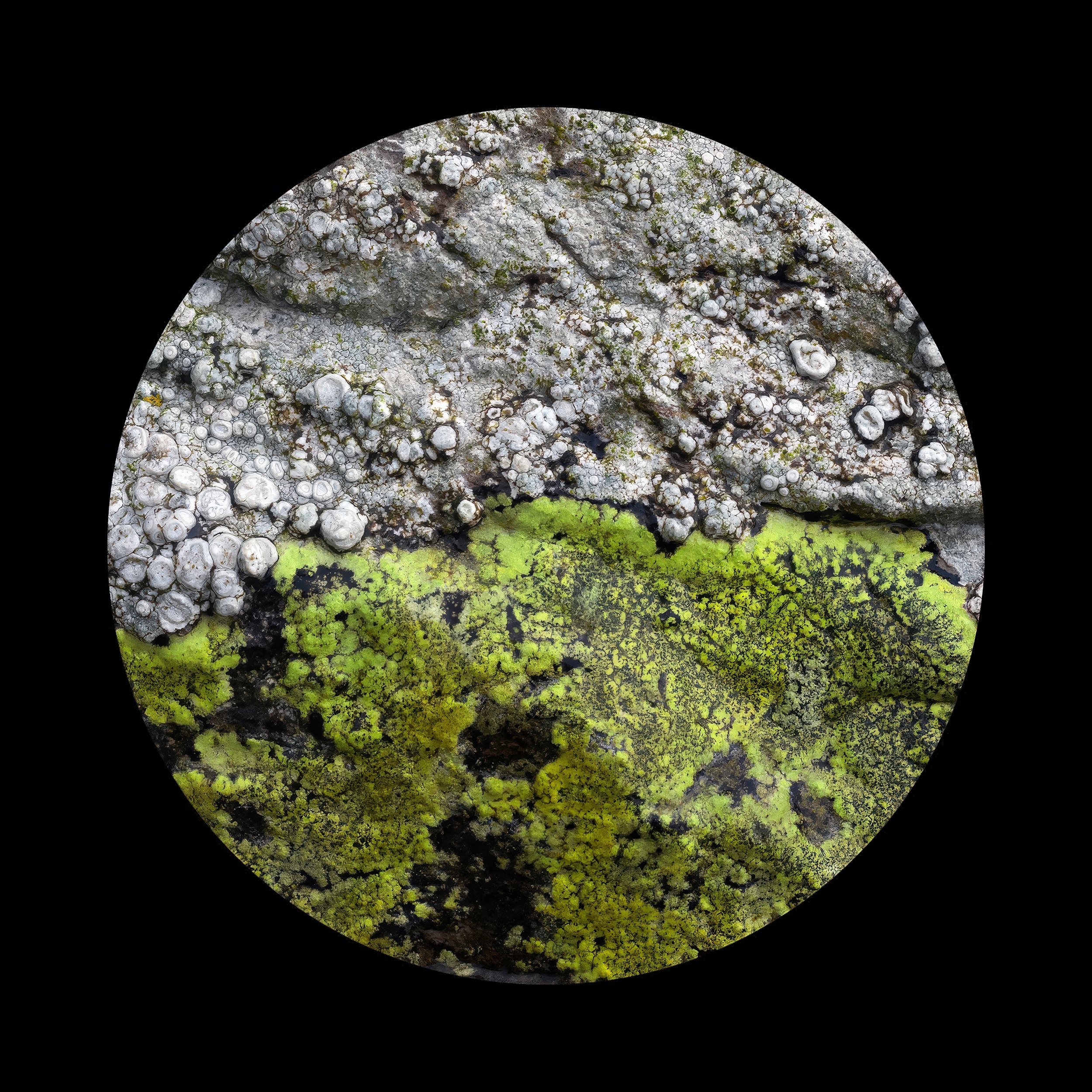
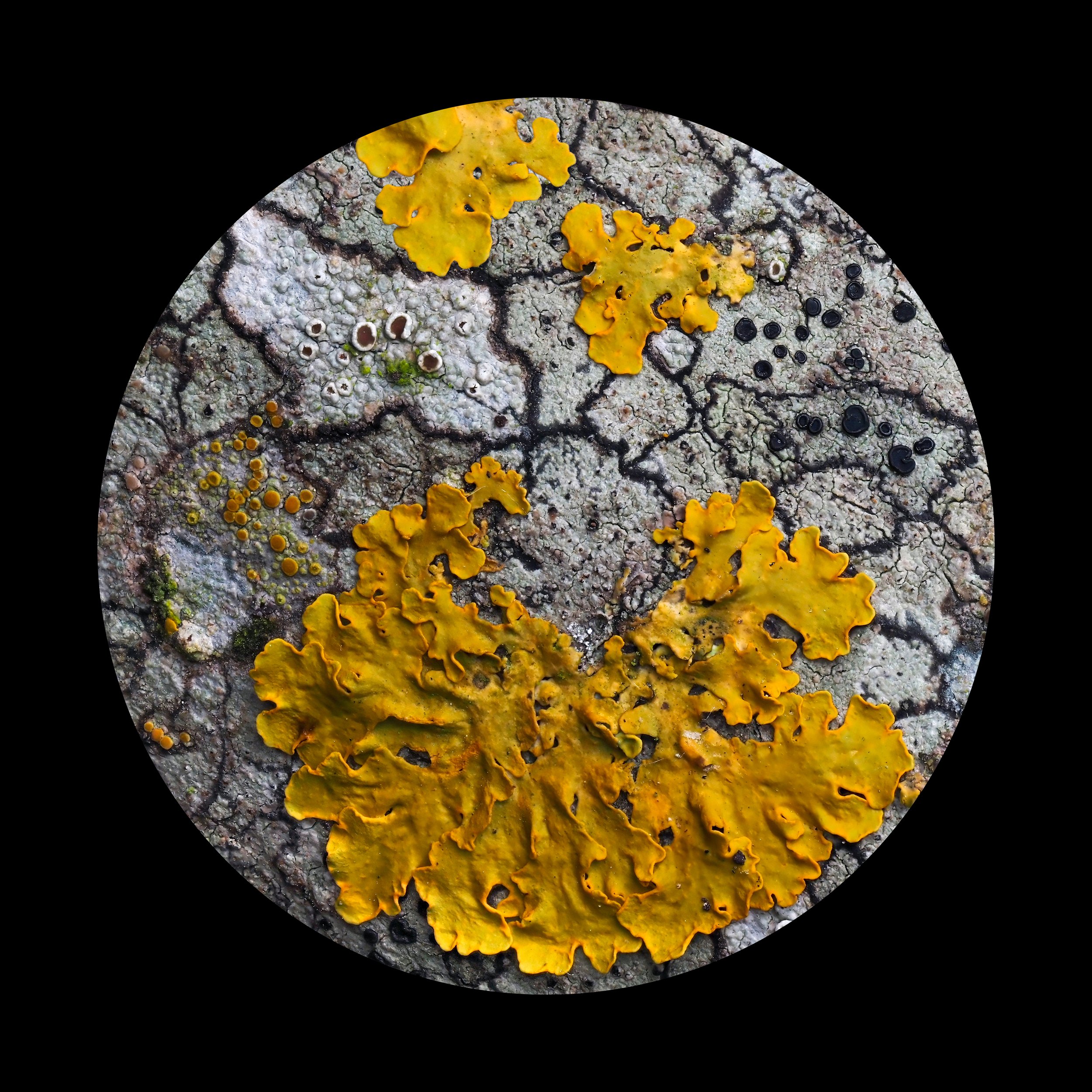
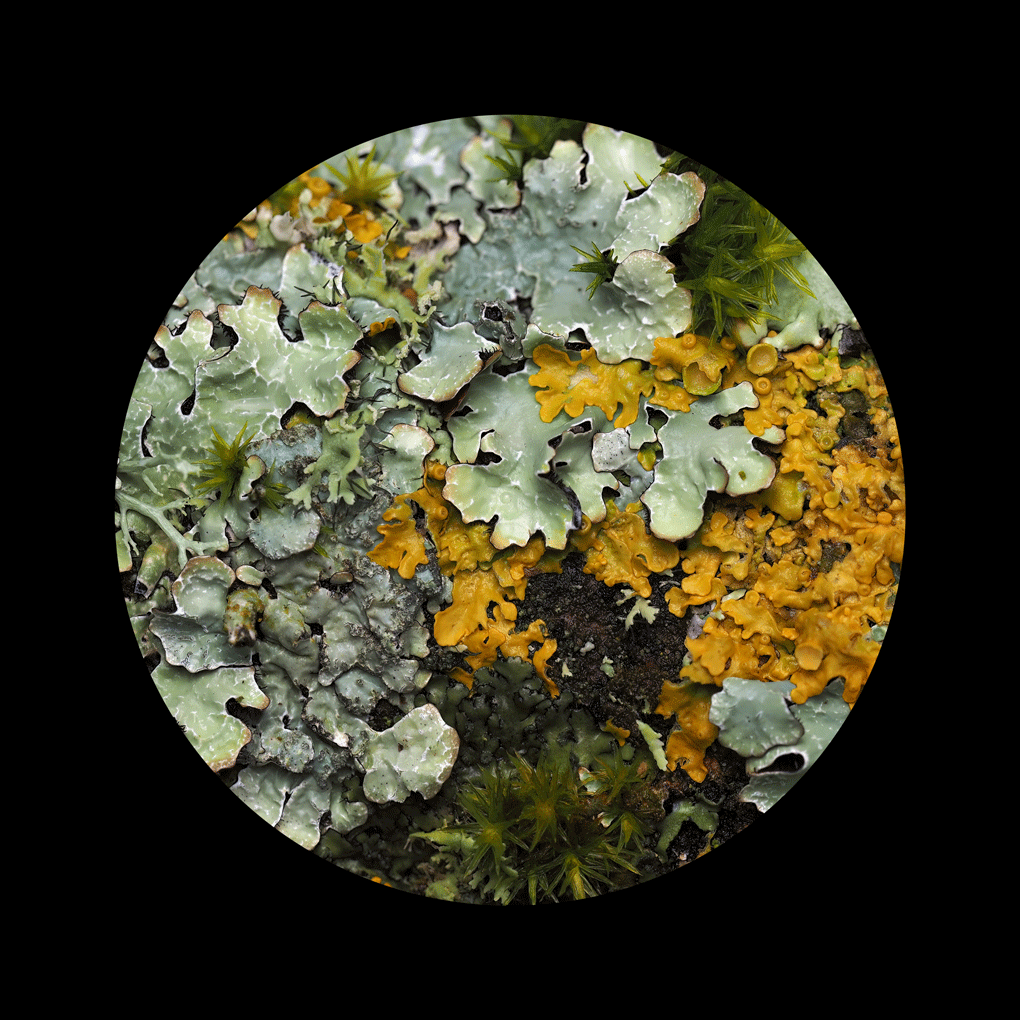
Industry has even made new homes for them. Concrete and mortar are alkaline, like limestone, so lichens that normally grow on lime-rich rock readily colonise them. On altered stone and old masonry, they slowly weather the surface, trapping dust and organic matter in thin layers that, over time, help form the first soil for mosses and plants.
Their pace is extraordinarily slow. Many grow only a millimetre or so a year, so slowly that scientists have used their size to estimate how long a surface has been exposed. A single patch may represent decades of quiet persistence.
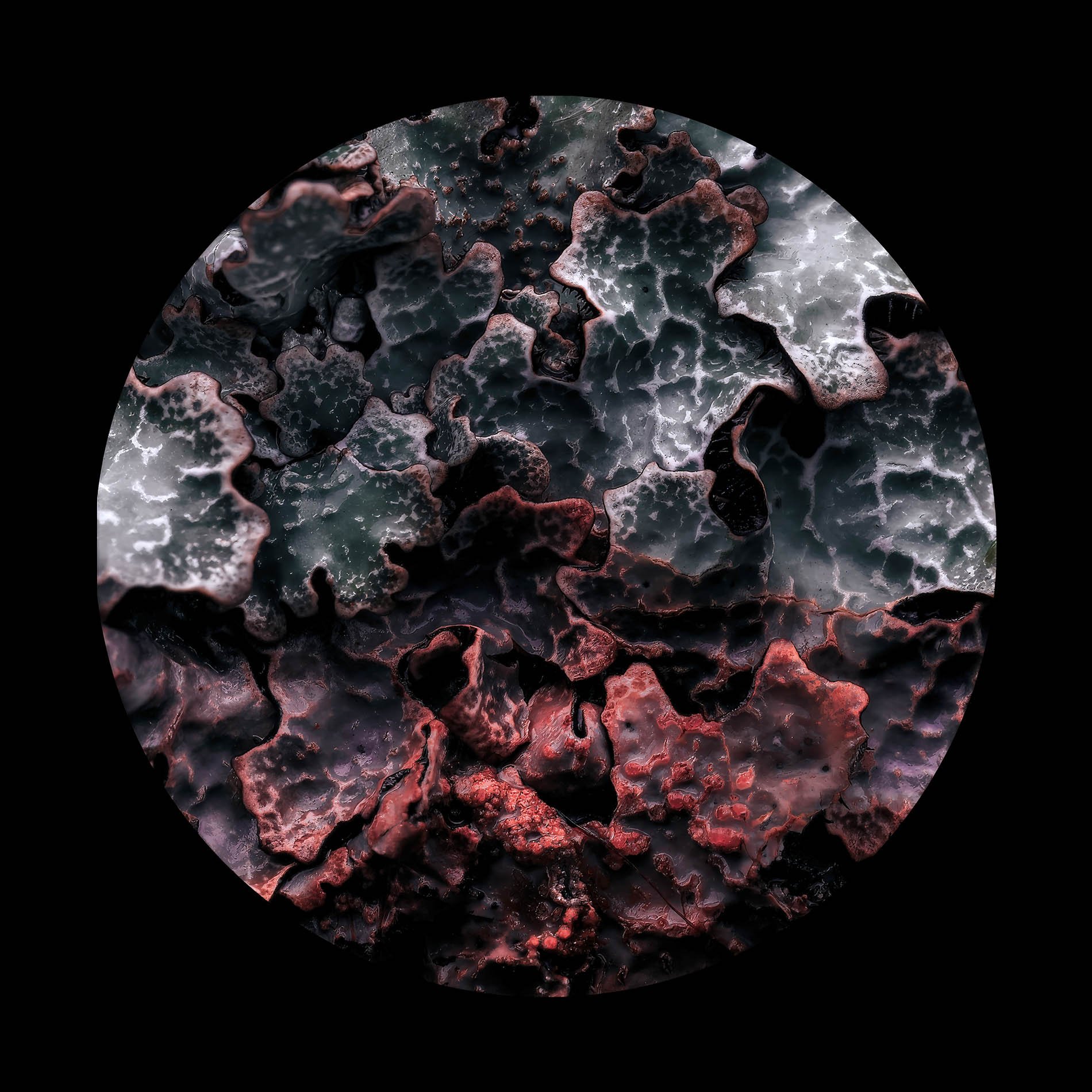
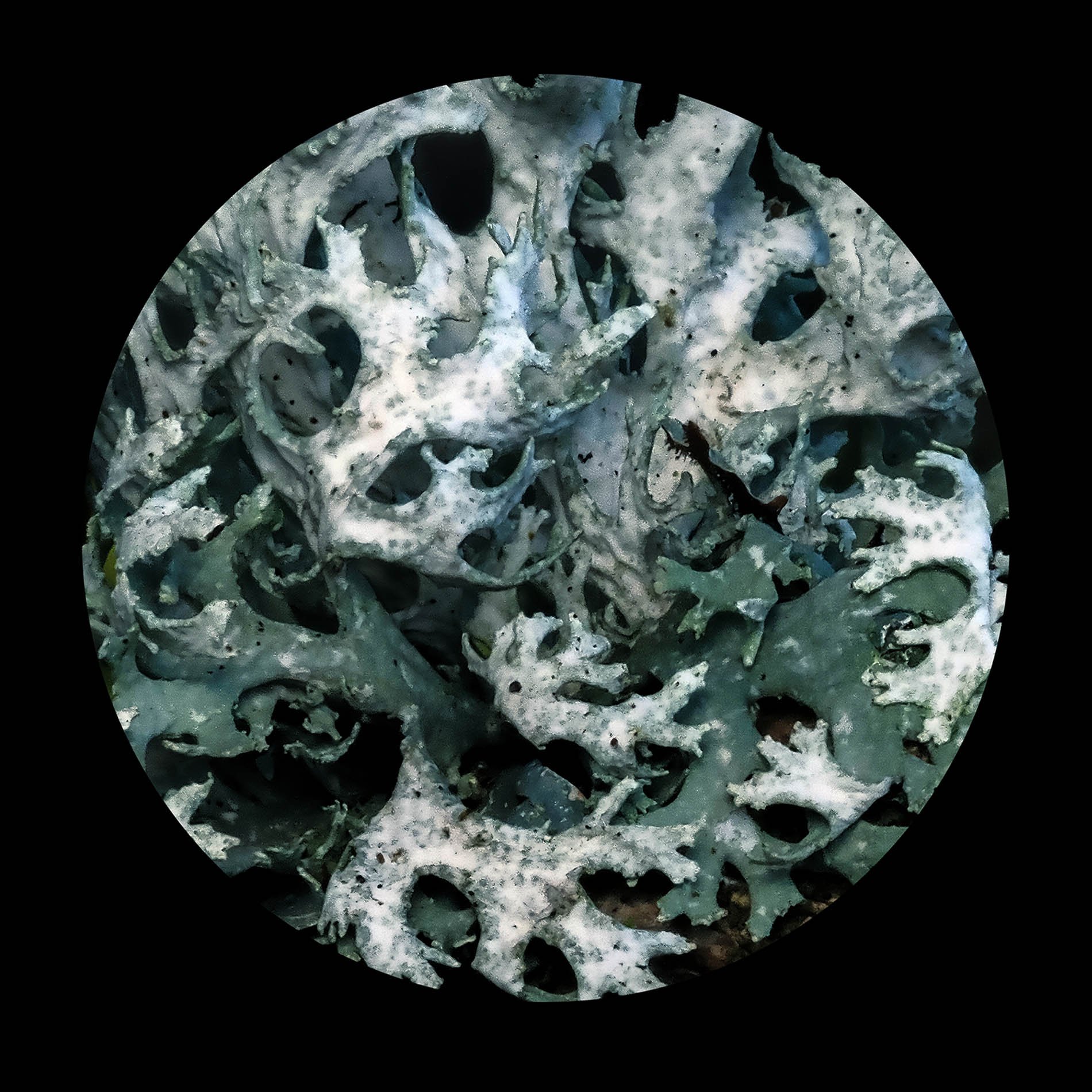
Seen up close, they reveal remarkable beauty: crusts like maps of unknown lands, leafy lobes like folded textiles, branching forms like the networks of a city at night. Each reflects the conditions of its own small patch of ground.
This is reclamation, not restoration. Lichens do not return these sites to what they were; they grow upon what industry left behind, making it part of something new. In their patience, they offer a model for recovery of every kind, not by forgetting what came before, but by building slowly upon it.