Understory
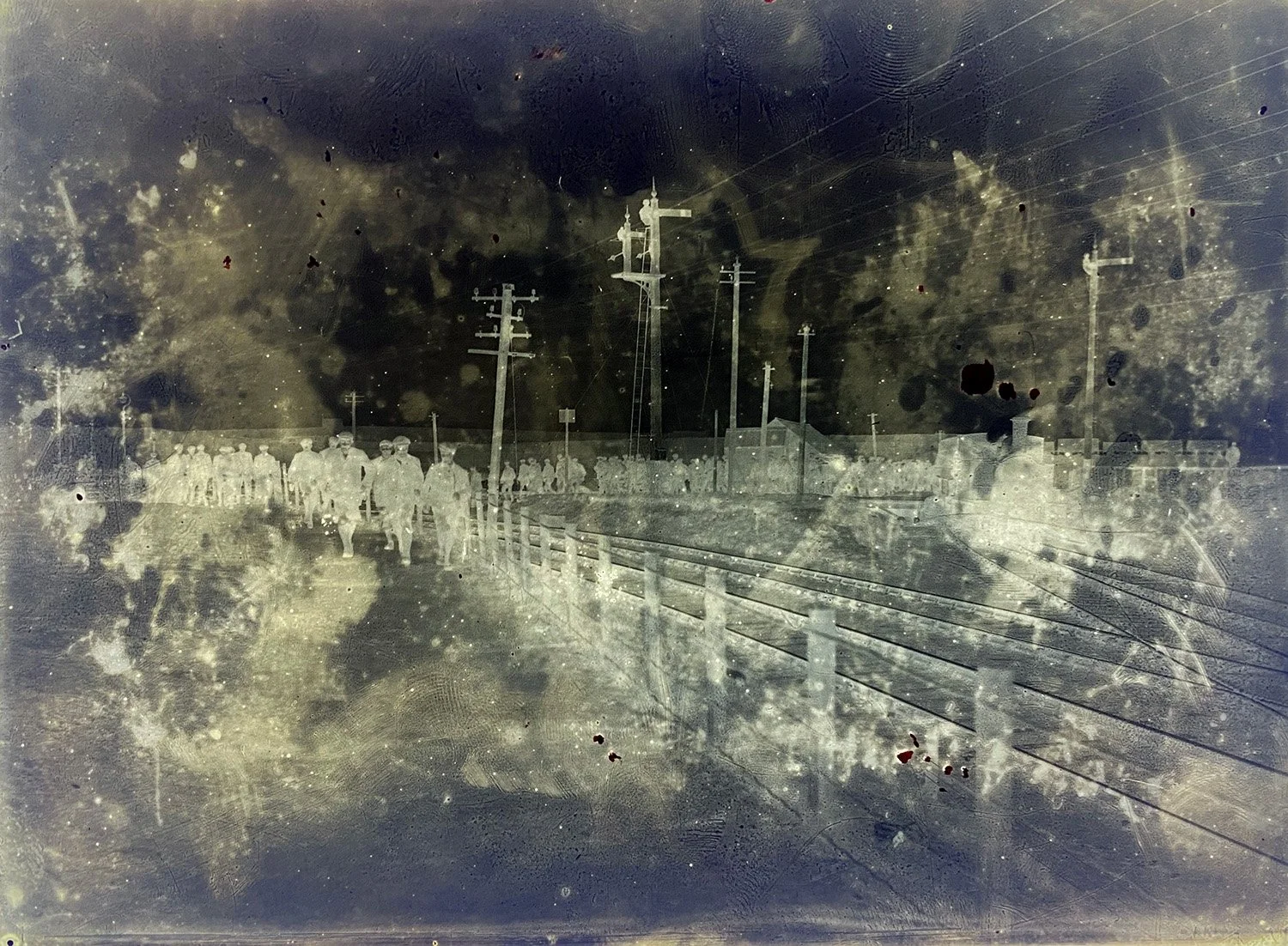
Understory is a longterm, ongoing project exploring the evolution of former colliery land in North East England, revealing the layers of change written into these post-industrial spaces.
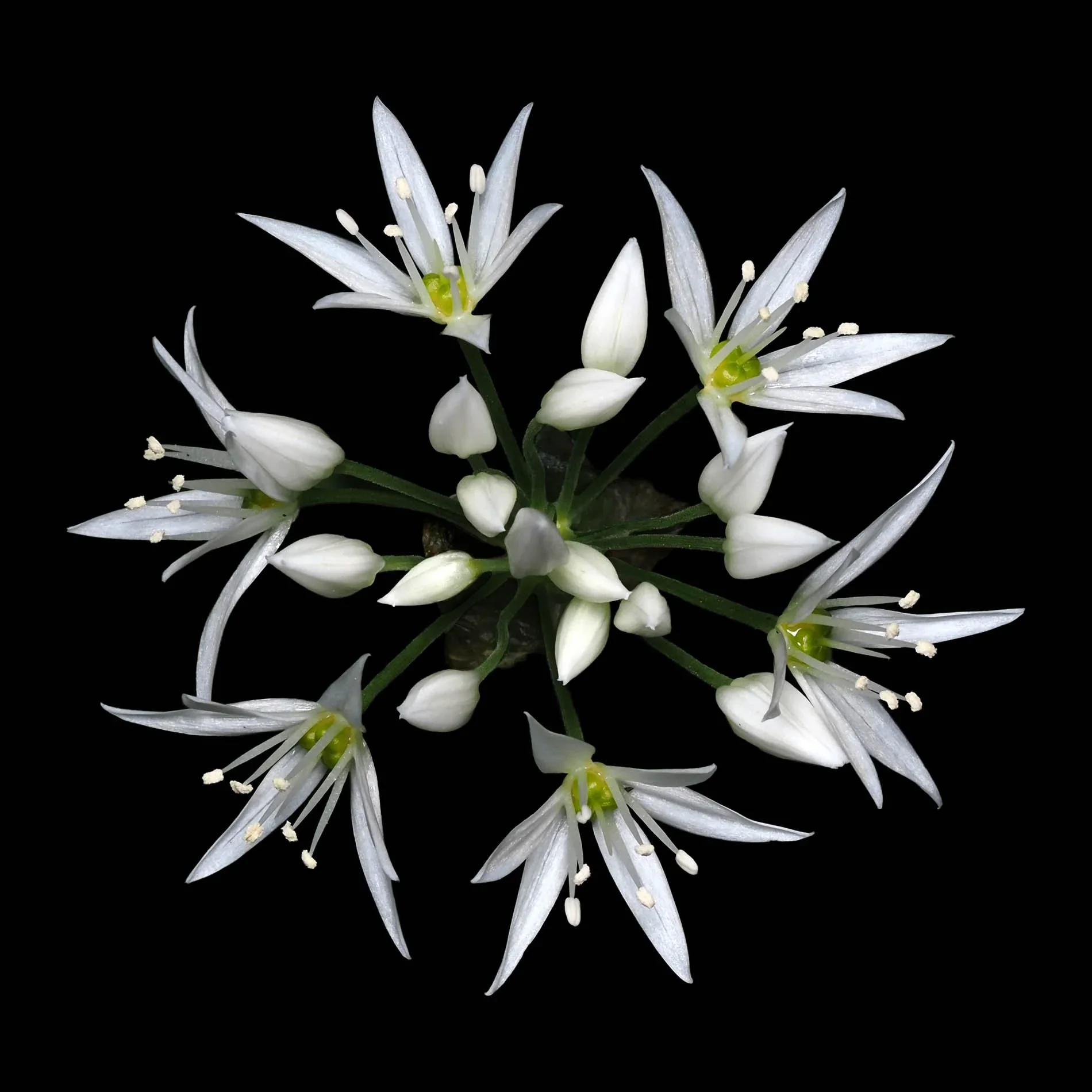
These terrains are part of my social, cultural and physical heritage, their story intertwined with my family's legacy of hardship and resilience. My work illuminates what most eyes pass by: the exquisite detail of the often overlooked organisms that orchestrate ecological recovery.
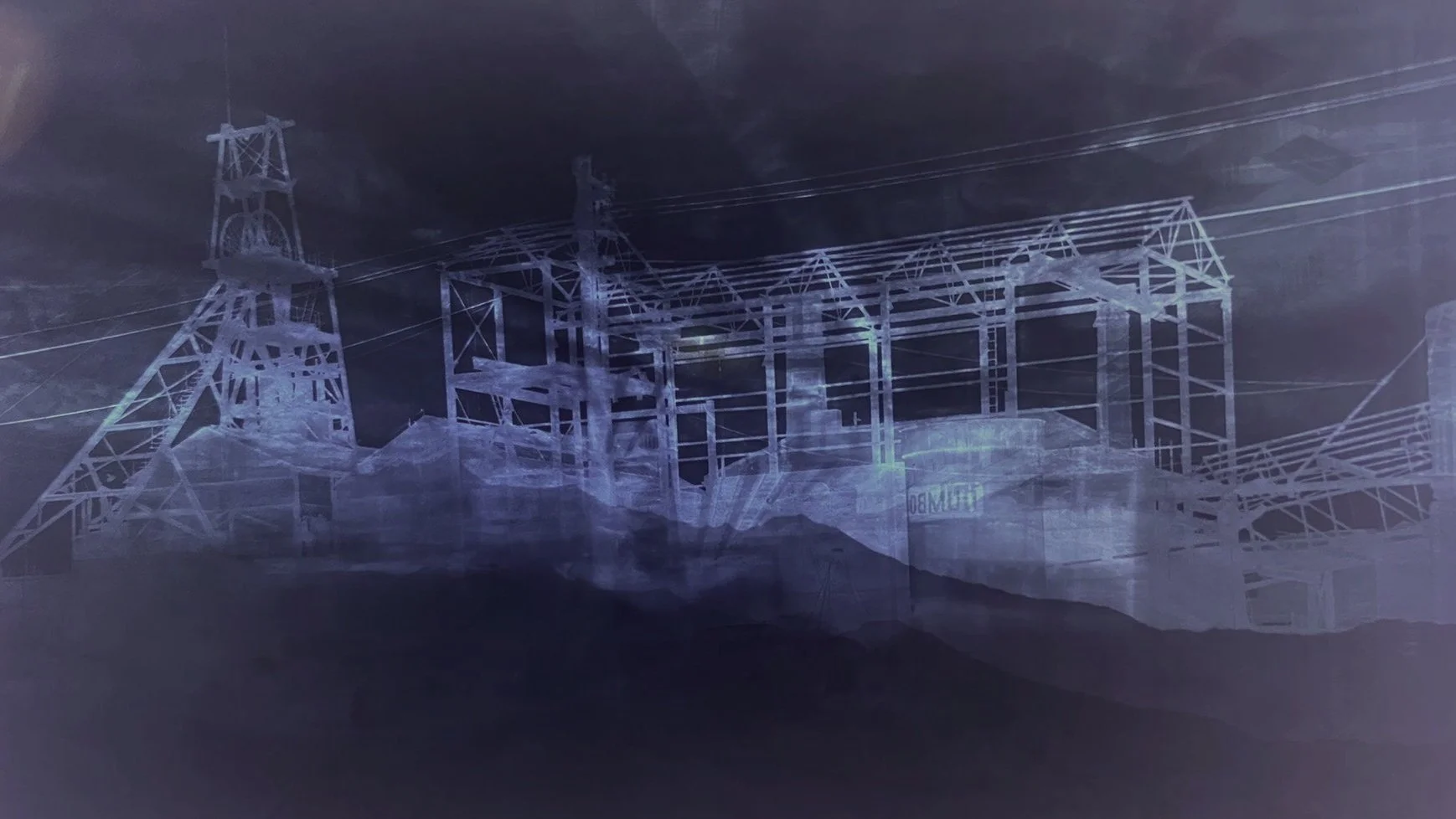
When the pits closed, they left more than physical scars. Communities, resilient in the face of adversity, lost not just their livelihoods but their identity and purpose. The rapid "greening" of spoil heaps and the clearing of pit buildings swept away much of the visible evidence of the industry that had shaped them, and people were expected to simply move on. Yet healing, whether of land, community or self, rarely follows such simple prescriptions. In returning to these liminal spaces, I have come to understand my own loss and grief, and discovered that restoration begins when we pause to notice the quiet work of renewal beneath our feet.
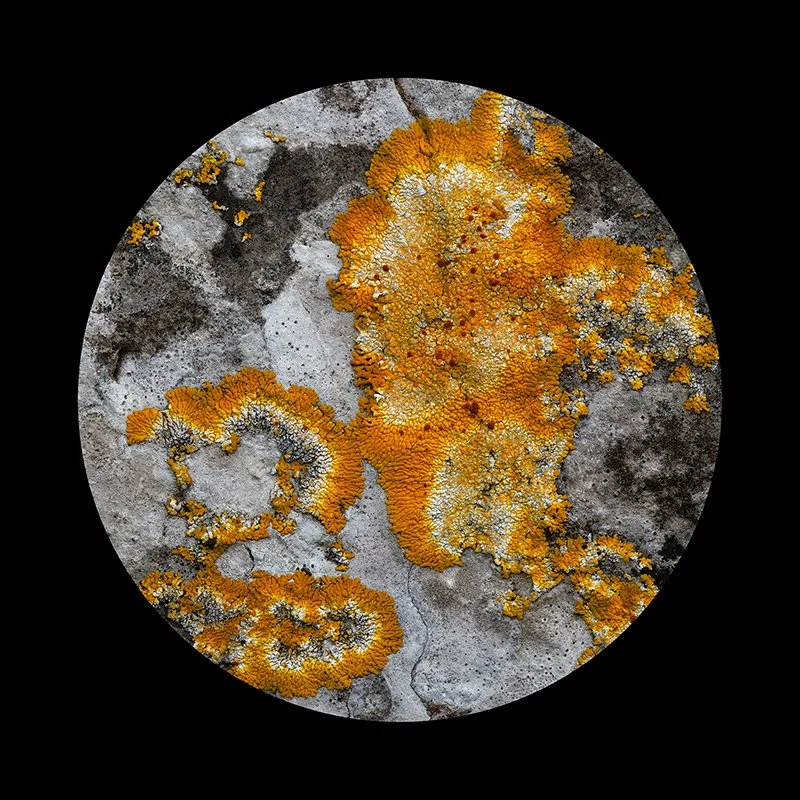
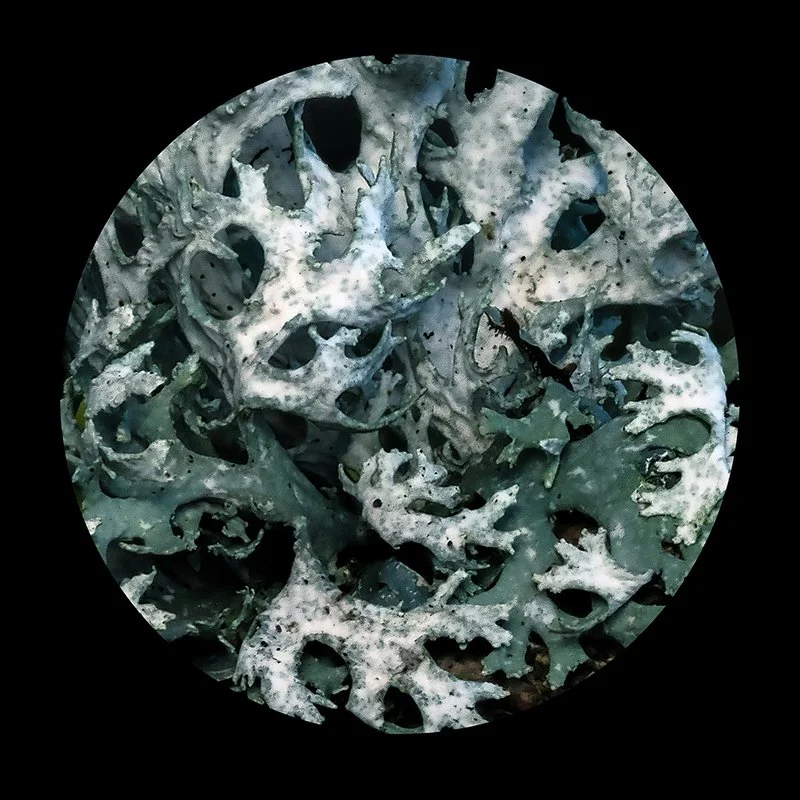
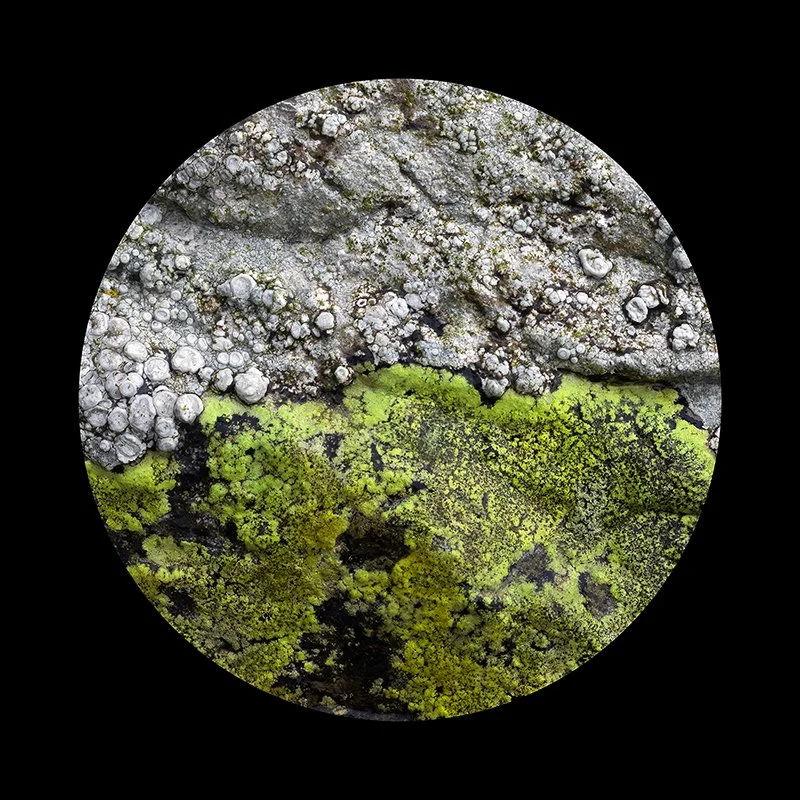
I photograph these overlooked agents of change: fungi that turn endings into beginnings, weaving death back into the cycle of life; lichens, remarkable partnerships of fungus and alga, spreading their tapestries across weathered stone and young bark; pioneering plants pushing through thin, damaged ground. These organisms do not erase the industrial past. They grow upon it, drawing spoil, stone and scar into new forms of life. In this, they mirror how healing so often unfolds: not by denying trauma, but by transforming it into a foundation for new growth.
The work unfolds through four connected themes:
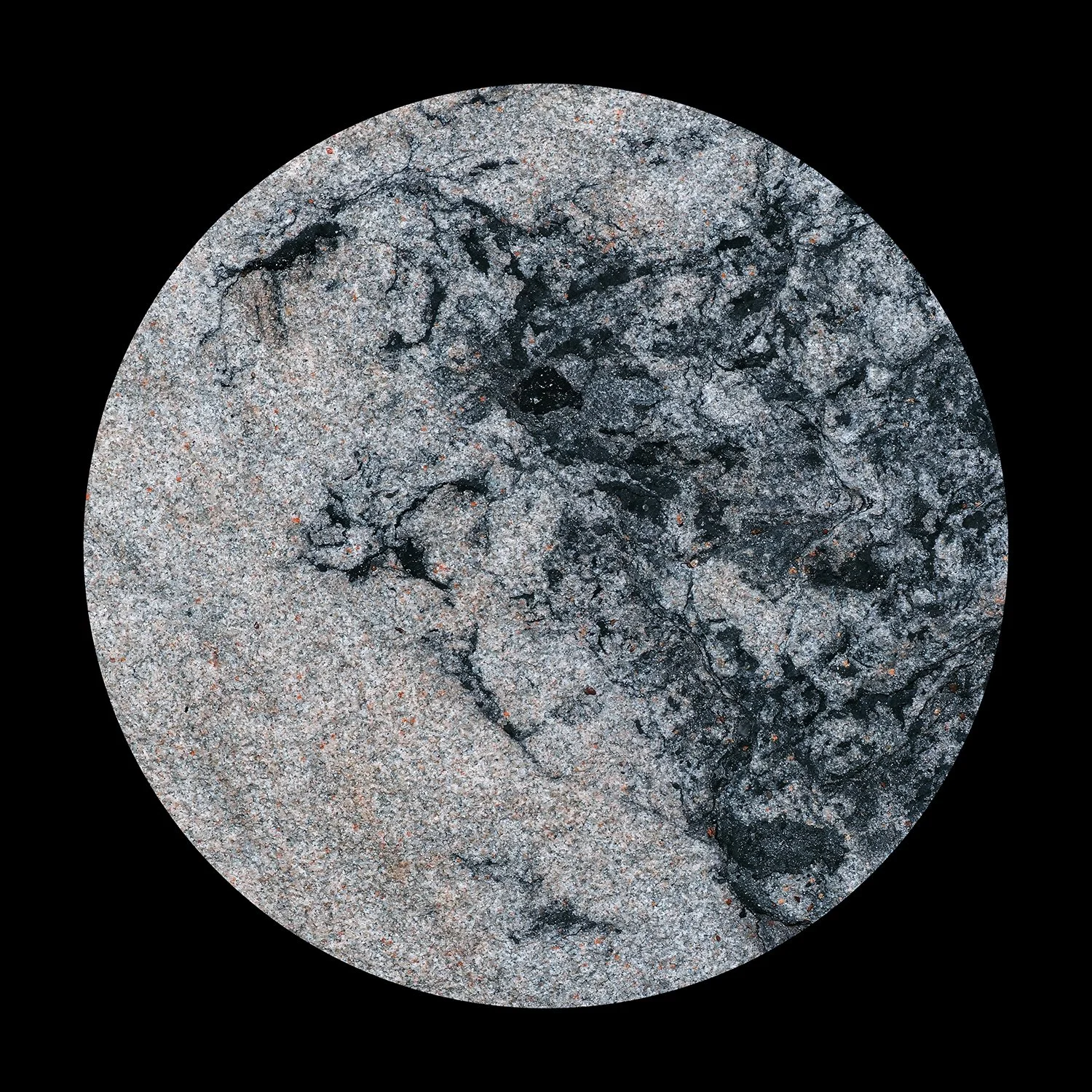
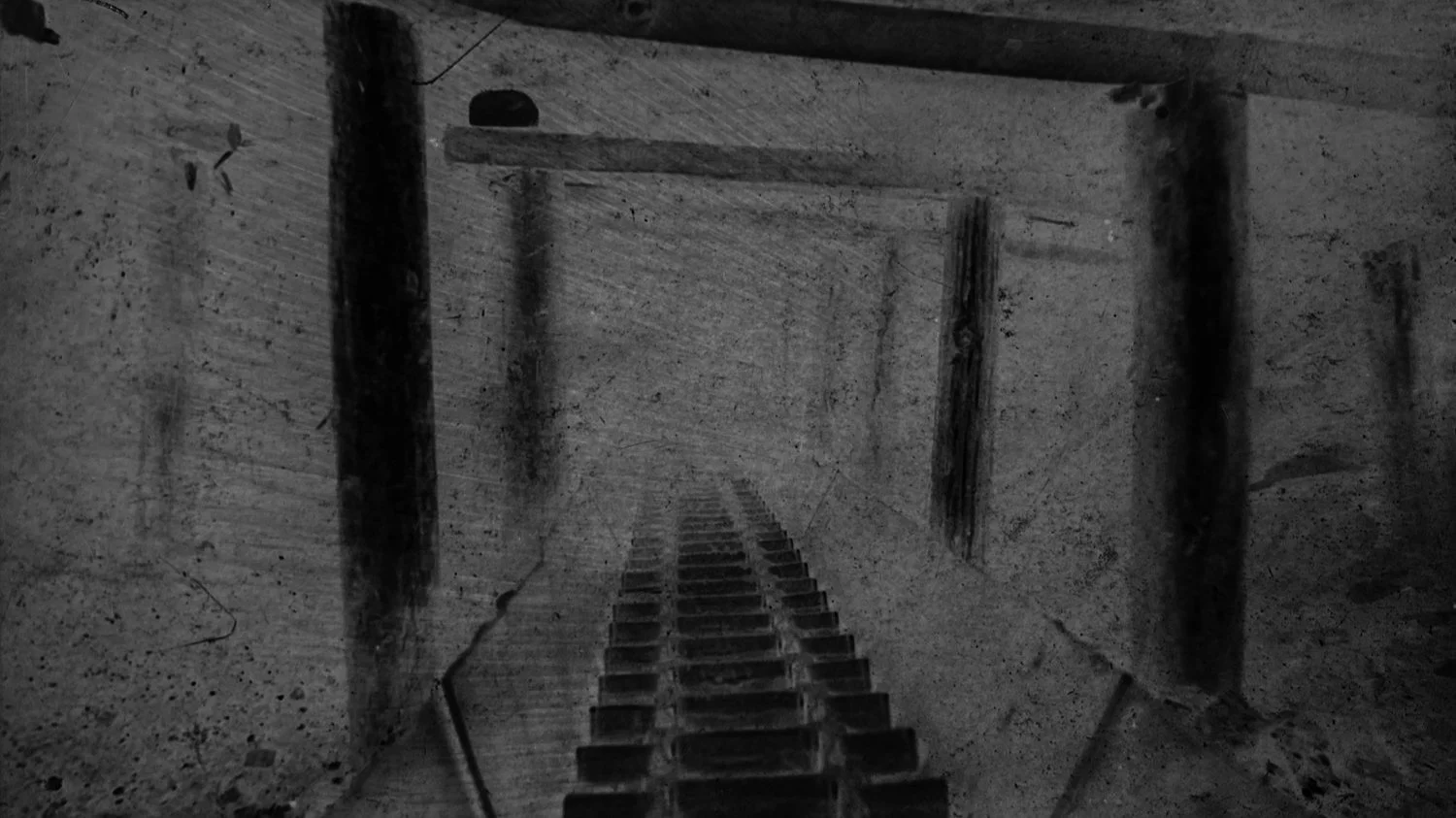
TRACES – the visible signatures of industry, from chemically altered rock to shifting minerals.
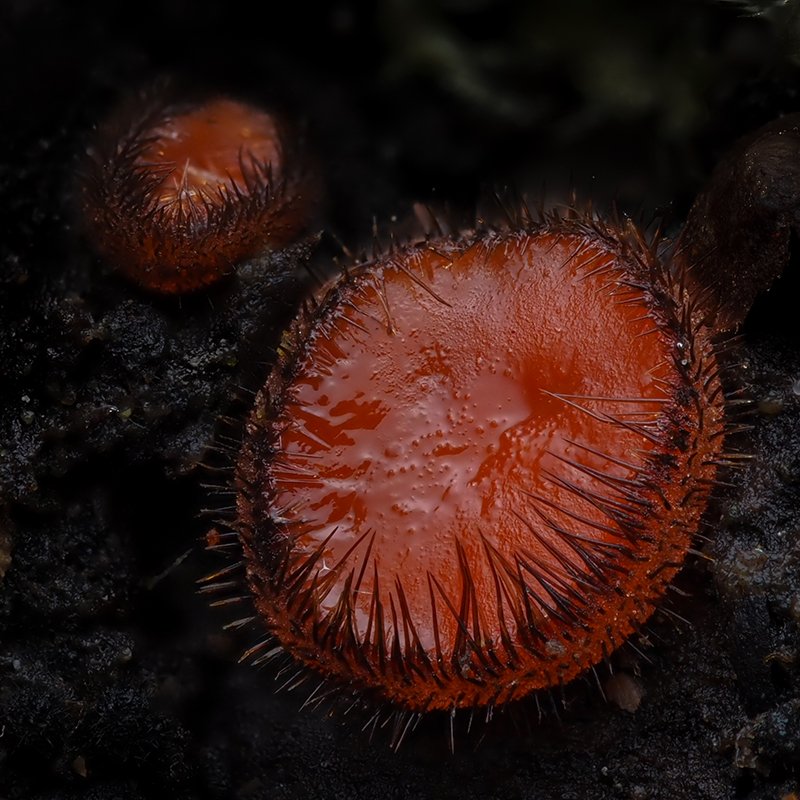
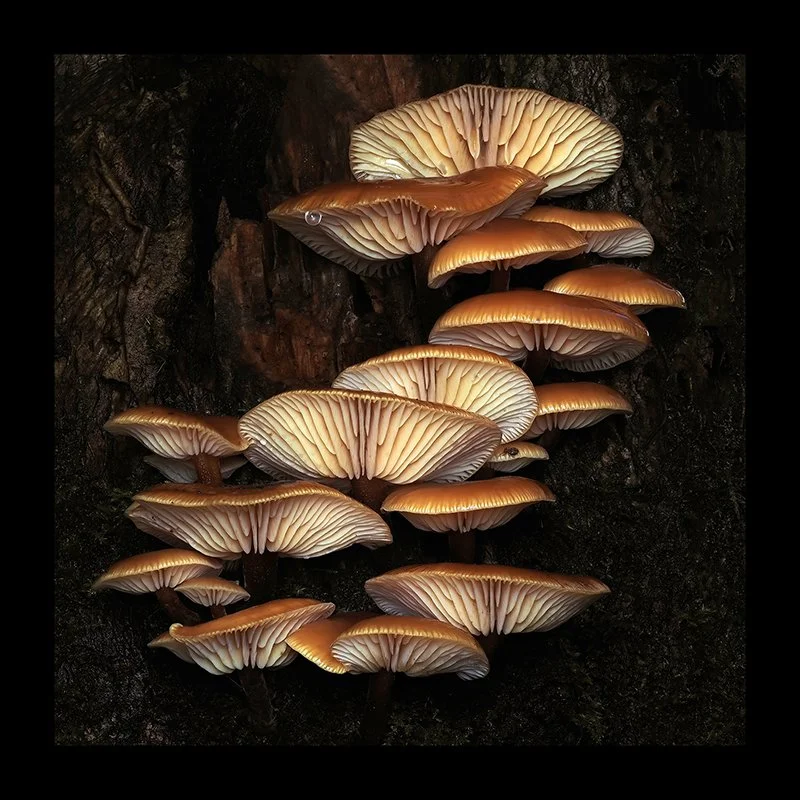
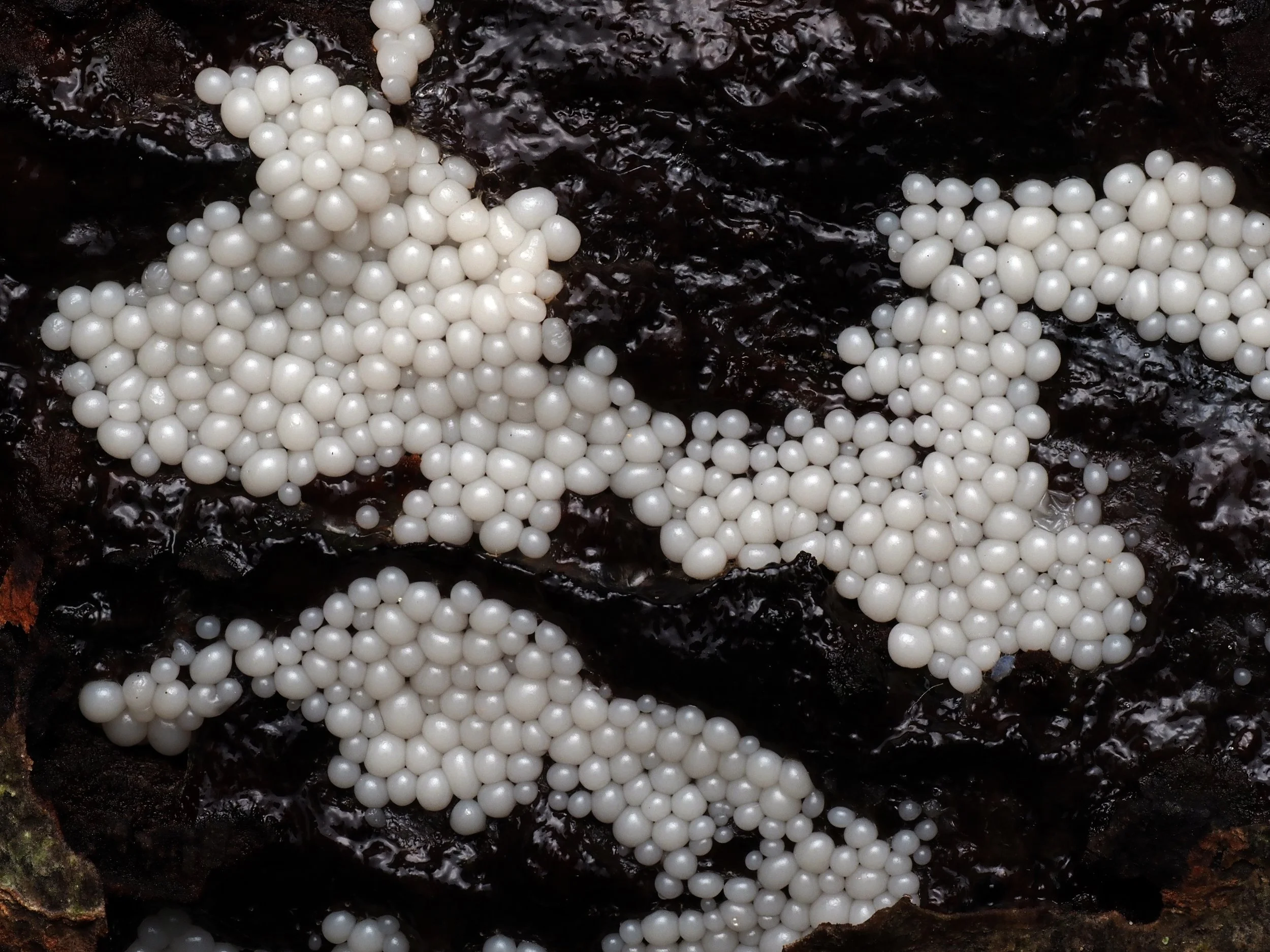
TRANSFORMATION – nature's recyclers at work, as fungi, slime moulds and decomposers return matter to the living world.
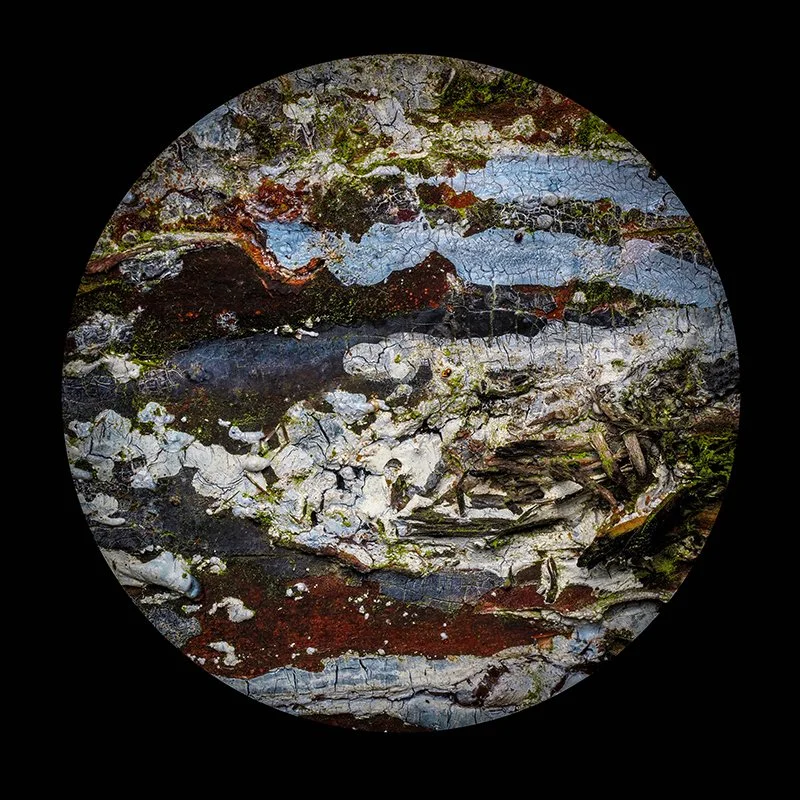
RECLAMATION – pioneer species, especially lichens, settling on harsh and barren surfaces.
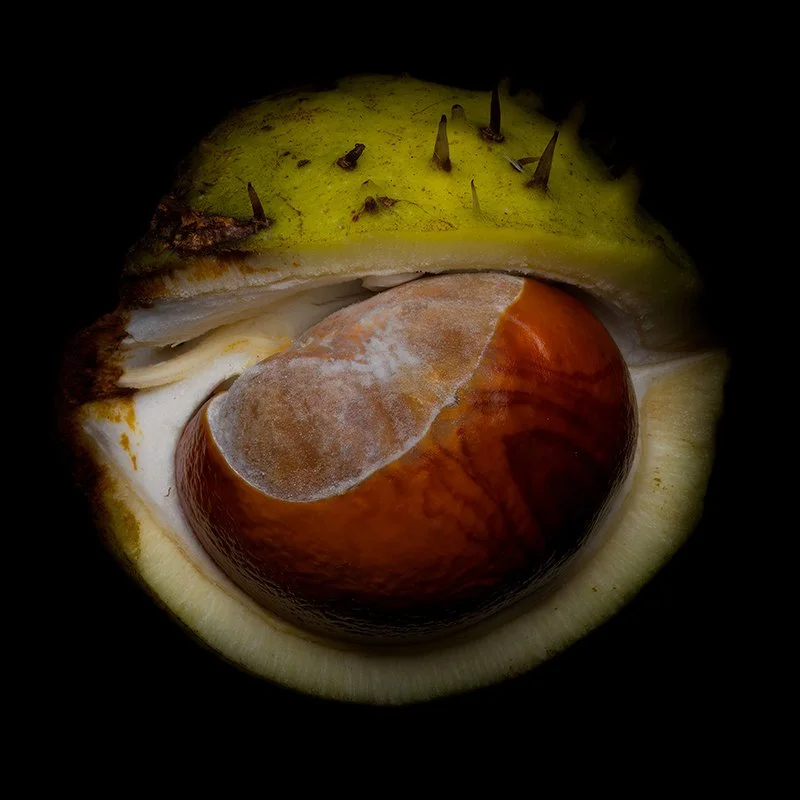
RENEWAL – the wildflowers, seeds and returning life of a recovering landscape.
Isolated against darkness, these forms are often distilled to their essence: bead-like slime moulds become a meditation on transience, lichen patterns an expression of endurance, and decay a quiet artistry of change. Each image honours what was lost, what endures, and what might yet be.
Click on images to see the full gallery of each section
Chemical ghosts haunt these stones, their unusual colours and patterns marking where human industry met geological time.
These are not all nature's original hues, but the aftermath of industrial alchemy.



These organisms teach us about transformation - how change begins at the smallest scale, how patience and persistence reshape reality, how collaboration makes the impossible possible.
Nothing truly ends here. Each decay releases matter back into life's eternal dance, connecting us to both deep past and distant future.

Through spring emergence to autumn seed-setting, these flowers mark nature's reclamation of industrial space. Each cycle of bloom and fade writes another chapter in the story of renewal.